Typhoons and Monsoon Storms Cause Over 4,700 Flight Disruptions Across Asia in August 2026
Monsoon storms and three named typhoons caused 4,501 flight delays and 210 cancellations in a single day around 20 August 2026 across Shanghai, Delhi and Jakarta.
Original report
www.thetraveler.org
Industry impact
Recurring seasonal storm activity across Asia-Pacific hubs shows how weather-driven schedule disruption can compound across multiple carriers and airports simultaneously rather than in isolated events.
What happened
Operational data showed 4,501 delays and 210 cancellations recorded in a single day around 20 August 2026 at airports including Shanghai, Delhi and Jakarta, as monsoon storms and a succession of named typhoons disrupted flight operations across major Asian aviation hubs through July and August.
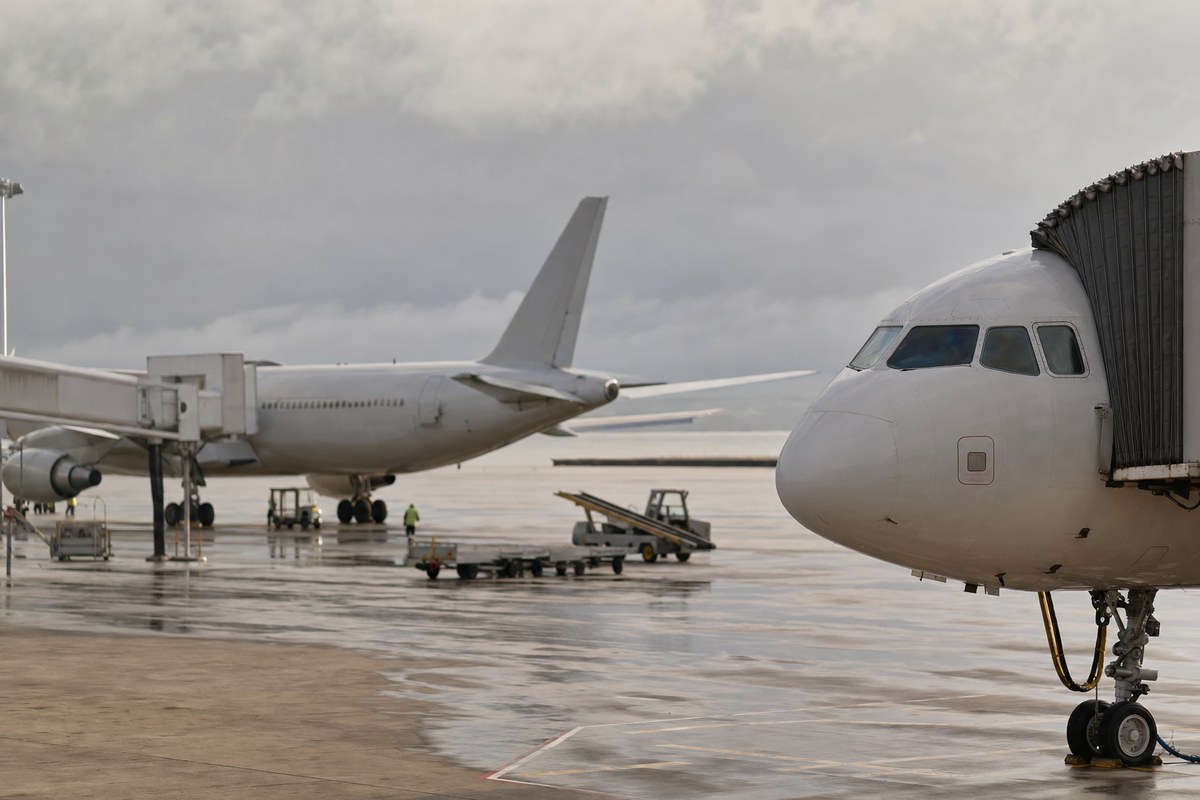
Three named typhoons drove much of the disruption. In early July, [AirAsia](/entities/5c0dd3a8a9935c719aa5202a068d0fcc) issued a travel advisory warning that flights to and from selected East Asian destinations could be affected between 10 and 12 July as Typhoon Bavi tracked through the East China Sea. Later in July, Typhoon Noul disrupted operations around the Pearl River Delta: on 26 July, [Singapore Airlines](/entities/8075fbcd0b665960958e9ddaa1b261fc) cancelled flights serving Shenzhen and selected services from Hong Kong, directing passengers to its flight status pages as the storm's wind field shifted. In early August, Typhoon White Dolphin prompted responses from Taiwanese aviation authorities.
Monsoon conditions compounded the disruption across South and Southeast Asia. Indian meteorological briefings for mid to late August described an active southwest monsoon spell affecting eastern, central, northwestern and parts of southern India, with particularly heavy rainfall over Odisha and dense cloud bands stretching from eastern Uttar Pradesh through Bihar to the Bay of Bengal. These conditions reduced runway throughput at airports in Delhi, Kolkata and smaller regional hubs. [Cebu Pacific](/entities/74f1310676095763879b080807d23b9b) implemented temporary network adjustments and route suspensions on international services during the northern summer season, and Sydney Airport's local slot coordinator reported a 4 percent cancellation rate for allocated slots in the northern summer period.
How it unfolded
Industry impact & what to watch
This episode illustrates how seasonal storm systems can layer on top of one another across a region, with successive typhoons and an active monsoon spell straining schedules at hubs that are not directly connected by route but share the same weather system moving through the calendar.
Schedule resilience during this period depends on how airlines sequence rebooking and slot adjustments once a named storm is tracked: advisories go out days ahead of landfall, cancellations follow as wind fields shift, and knock-on delays spread to airports the storm never directly crosses because aircraft and crew rotations are disrupted upstream. Sydney Airport's reported 4 percent cancellation rate for allocated northern-summer slots shows the effect reaching gateways well outside the storm tracks themselves.
Whether disruption levels ease will depend on how the remainder of the southwest monsoon season behaves over South and Southeast Asia and whether further named typhoons form in the East China Sea or Pearl River Delta approaches before the northern summer season ends.
Who this affects
- Business Charter Operators — Charter operators serving Shanghai, Delhi, Jakarta and Pearl River Delta airports face a heightened chance of delay or diversion during the ongoing storm activity.
- Charter Brokers — Clients booking through the affected Asian hubs should be warned of storm-related delay and cancellation risk before departure.
- Commercial Airports — Airports across the affected hubs are seeing reduced runway throughput and higher slot cancellation rates during the storm period.
The underlying facts come from the originating publisher (linked above). The narrative, industry-impact assessment and per-role analysis below are produced independently by the AVI-GO intelligence team from public information. Cite as: AVI-GO, "Typhoons and Monsoon Storms Cause Over 4,700 Flight Disruptions Across Asia in August 2026" news brief, 2026-08-24.
How to cite
AVI-GO, “Typhoons and Monsoon Storms Cause Over 4,700 Flight Disruptions Across Asia in August 2026”. https://ai.avi-go.com/news/ai-news-center/news-briefs/typhoons-and-monsoon-storms-cause-over-4-700-flight-disruptions-across-629a18f1a232de33e5953938290ec2e6
Figures carry an explicit measurement window — cite the window shown on this page, not the date you retrieved it.