Russia's 'Air Shadow Fleet' Made at Least 75 Flights to Sahel States, C4ADS Research Finds
C4ADS research identified at least 75 flights by Russian military and private aircraft to Mali, Burkina Faso, and Niger between January 2025 and July 2026, revealing a coordinated logistics network.
Original report
united24media.com
Industry impact
State-linked and unsanctioned private carriers can operate in parallel through the same corridors, letting sanctioned military logistics continue under adjacent commercial routings.
What happened
C4ADS identified at least 75 flights from Russia to Mali, Burkina Faso, and Niger between January 2025 and July 2026, describing the pattern as a coordinated logistics system rather than individual transport missions.
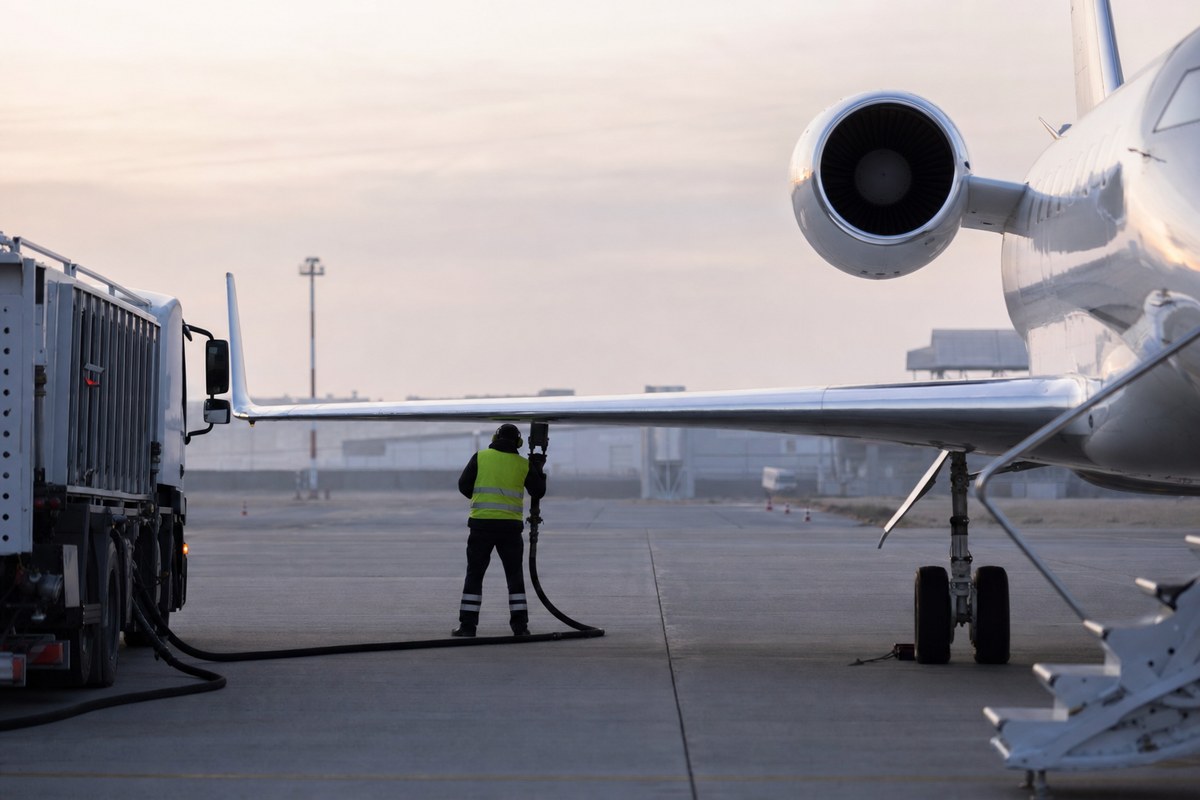
Russia's 224th Flight Unit, controlled by the Defense Ministry and sanctioned by the United States, was identified as the most active carrier in the network. Other operators named were Sapsan Airlines, Liz Aviation, and Russia's Emergency Situations Ministry; Sapsan Airlines, Liz Aviation, and the Emergency Situations Ministry have not been sanctioned by the European Union, the United States, or the United Kingdom.
Routes differed between state and private operators. Russian government aircraft frequently transited through bases in Syria and Libya, while private carriers typically traveled through commercial hubs in Türkiye, Algeria, and the United Arab Emirates. Researchers noted that Libya is becoming an increasingly significant node as Moscow expands its military infrastructure there. The Africa Defense Forum, citing the US National Geospatial-Intelligence Agency, reported that Moscow plans to fund infrastructure projects and station personnel at six Libyan air bases located across central, eastern, and southern Libya, with facilities being developed or modernized to support Russian aircraft, air defense systems, drones, and personnel.
Industry impact & what to watch
The network described here mirrors a structure seen in Russia's maritime shadow fleet: a sanctioned core entity, the 224th Flight Unit, operating alongside nominally civilian or humanitarian-flagged carriers that have not themselves been designated. That split lets logistics continue even where individual aircraft or airlines face restrictions, since screening and access decisions are typically made carrier by carrier rather than against the network as a whole.
Commercial hub transit is the structural weak point this case exposes. Private operators routing through Türkiye, Algeria, and the United Arab Emirates depend on those hubs accepting their flight plans, fuel purchases, and overflight permissions, which means any tightening of due diligence at those specific hubs would have an outsized effect on the private half of the network without touching the state-flown half through Syria and Libya.
The clearest signal to track is Libya's air base buildout: if Moscow funds infrastructure and stations personnel and aircraft at the six sites named by the Africa Defense Forum, Libya moves from a transit node to a hosting location, which would change how sanctions authorities and regional aviation regulators assess flights transiting or originating there.
Who this affects
- Air Traffic Management (ATM) Authorities — Named but unsanctioned carriers routing through Türkiye, Algeria, and the UAE give regulators a concrete gap to review in due-diligence and overflight screening.
- Aviation Associations — Operators transiting Türkiye, Algeria, and the UAE face closer scrutiny as those hubs are named as transit points for unsanctioned carriers linked to this network.
The underlying facts come from the originating publisher (linked above). The narrative, industry-impact assessment and per-role analysis below are produced independently by the AVI-GO intelligence team from public information. Cite as: AVI-GO, "Russia's 'Air Shadow Fleet' Made at Least 75 Flights to Sahel States, C4ADS Research Finds" news brief, 2026-08-24.
How to cite
AVI-GO, “Russia's 'Air Shadow Fleet' Made at Least 75 Flights to Sahel States, C4ADS Research Finds”. https://ai.avi-go.com/news/ai-news-center/news-briefs/russia-s-air-shadow-fleet-made-at-least-75-flights-to-sahel-states-c4a-609f0e633df8a102b3a6359b433b6c0a
Figures carry an explicit measurement window — cite the window shown on this page, not the date you retrieved it.