Pressure-Data System Failure at Marseille Provence Airport Disrupts 35 Flights, Two Cancelled
A pressure-data system failure at Marseille Provence Airport around 06:00 Saturday disrupted 35 flights, with 21 delayed, 14 awaiting departure by 11:00, and two cancelled.
Original report
fl360aero.com
Industry impact
The episode shows how a single certified ground reference feed, not weather, can halt instrument approaches and ripple into diversions and cross-carrier delays.
What happened
Air traffic operations at Marseille Provence Airport in Marignane, France, were significantly disrupted on Saturday after a failure in the atmospheric-pressure measurement system used by air traffic control was detected at approximately 06:00 local time. Of 35 flights scheduled to depart between 06:00 and 10:00, 21 departed with delays and 14 were still awaiting departure at around 11:00, while two flights were cancelled.
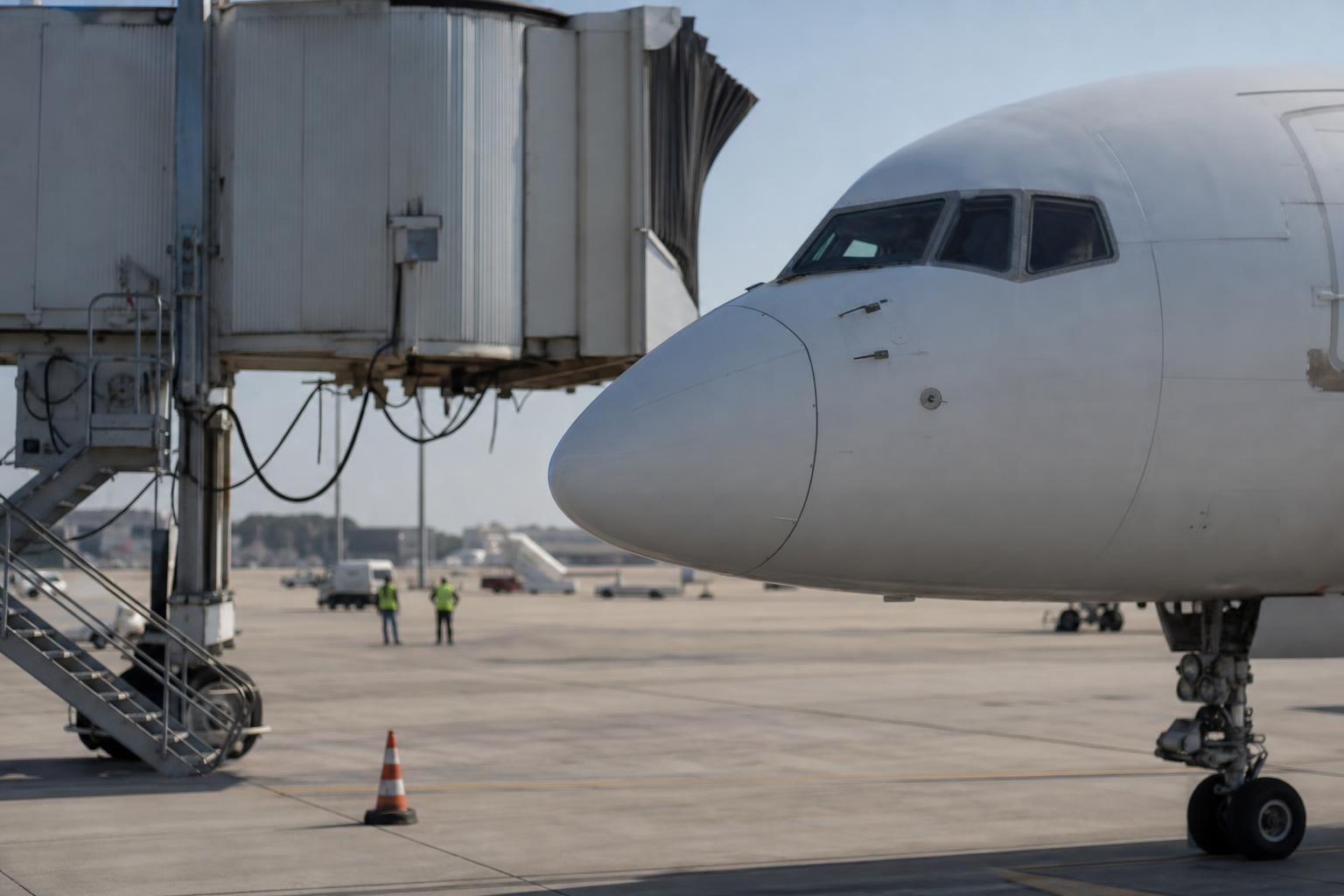
Several inbound aircraft were delayed or diverted to alternative airports, including Nice and Montpellier. [Air France](/entities/2791a1c72ac35145aec5652f8fc6aca0) and [Transavia](/entities/937ff4a49ba35214901407daa309ce48) services were among those affected by cancellations. Airport authorities described the failed system as critical to aircraft landings and, depending on aircraft type and airline, to departures as well. The system supplies local atmospheric pressure data, most importantly the QNH reference, which pilots use to set barometric altimeters for accurate altitude indication; an error of just a few hectopascals near sea level can translate to an altitude indication error of more than 100 feet.
Weather conditions at Marseille at the time were benign, with a meteorological observation around 08:30 UTC on August 22 indicating CAVOK conditions and a QNH of 1016 hPa. Repairs to the system were completed at approximately 09:55–10:00 local time, after which the flight program progressively resumed. One [Air Algérie](/entities/abb062f13ee65ec8a240cd478c44c778) Boeing 737-800 operating from Constantine to Marseille departed at 09:28 and ultimately landed at Marseille at 12:42 local time, with its approach affected by the disruption. By Sunday, August 23, flight-status information indicated that Marseille's operation had substantially returned to normal.
How it unfolded
Industry impact & what to watch
This case shows how a ground-based instrumentation fault, rather than weather, can stop controllers from applying standard instrument procedures even under CAVOK skies. Airports depend on a certified pressure-data source feeding the QNH reference that pilots use to set altimeters, and when that single feed goes down, both arrivals and some departures lose their basis for safe altitude indication until a backup or repair restores it.
The knock-on effects are the ordinary mechanics of airport disruption: inbound aircraft diverting to nearby fields such as Nice and Montpellier, a backlog of delayed departures that airlines then have to work through hour by hour, and cancellations concentrated among the carriers with the least schedule slack. The four-hour outage window compressed into a longer recovery tail, illustrated by the [Air Algérie](/entities/abb062f13ee65ec8a240cd478c44c778) flight whose approach was still affected hours after the system was repaired.
What remains to be confirmed is the underlying cause of the pressure-data system failure and whether Marseille or its equipment supplier will disclose findings on why the certified source became unavailable.
Who this affects
- Business Charter Operators — Charter flights into or out of Marseille faced delays and possible diversion to Nice or Montpellier during the multi-hour outage.
- Charter Brokers — Clients booked through Marseille needed updated routing and delay information as the backlog cleared through the day.
- Commercial Airports — The airport had to clear a multi-hour backlog of delayed departures and diverted arrivals before operations normalized the next day.
- Air Traffic Management (ATM) Authorities — Air traffic authorities face questions about backup arrangements for certified pressure-data sources after this single-point failure.
The underlying facts come from the originating publisher (linked above). The narrative, industry-impact assessment and per-role analysis below are produced independently by the AVI-GO intelligence team from public information. Cite as: AVI-GO, "Pressure-Data System Failure at Marseille Provence Airport Disrupts 35 Flights, Two Cancelled" news brief, 2026-08-24.
How to cite
AVI-GO, “Pressure-Data System Failure at Marseille Provence Airport Disrupts 35 Flights, Two Cancelled”. https://ai.avi-go.com/news/ai-news-center/news-briefs/pressure-data-system-failure-at-marseille-provence-airport-disrupts-35-64bc9c858aced46dcfa4c59e69618a15
Figures carry an explicit measurement window — cite the window shown on this page, not the date you retrieved it.