NTSB: Faulty Left Fuel Valve Caused Luscombe 8 Crash Near Bend, Oregon
The NTSB determined a leaking left fuel valve caused fuel exhaustion aboard a Luscombe 8 near Bend, Oregon, forcing an emergency landing that overturned the aircraft.
Original report
www.eplaneai.com
Industry impact
The case underscores how small mechanical leaks combined with unreliable fuel gauges can erase a pilot's fuel margin well before scheduled reserves are reached.
What happened
A Luscombe 8 aircraft crashed near Bend, Oregon, after a leaking left fuel valve caused fuel exhaustion and complete loss of engine power, according to a National Transportation Safety Board investigation identified as 195054. The pilot had departed with full fuel tanks, providing an estimated flight duration of approximately 3.5 hours.
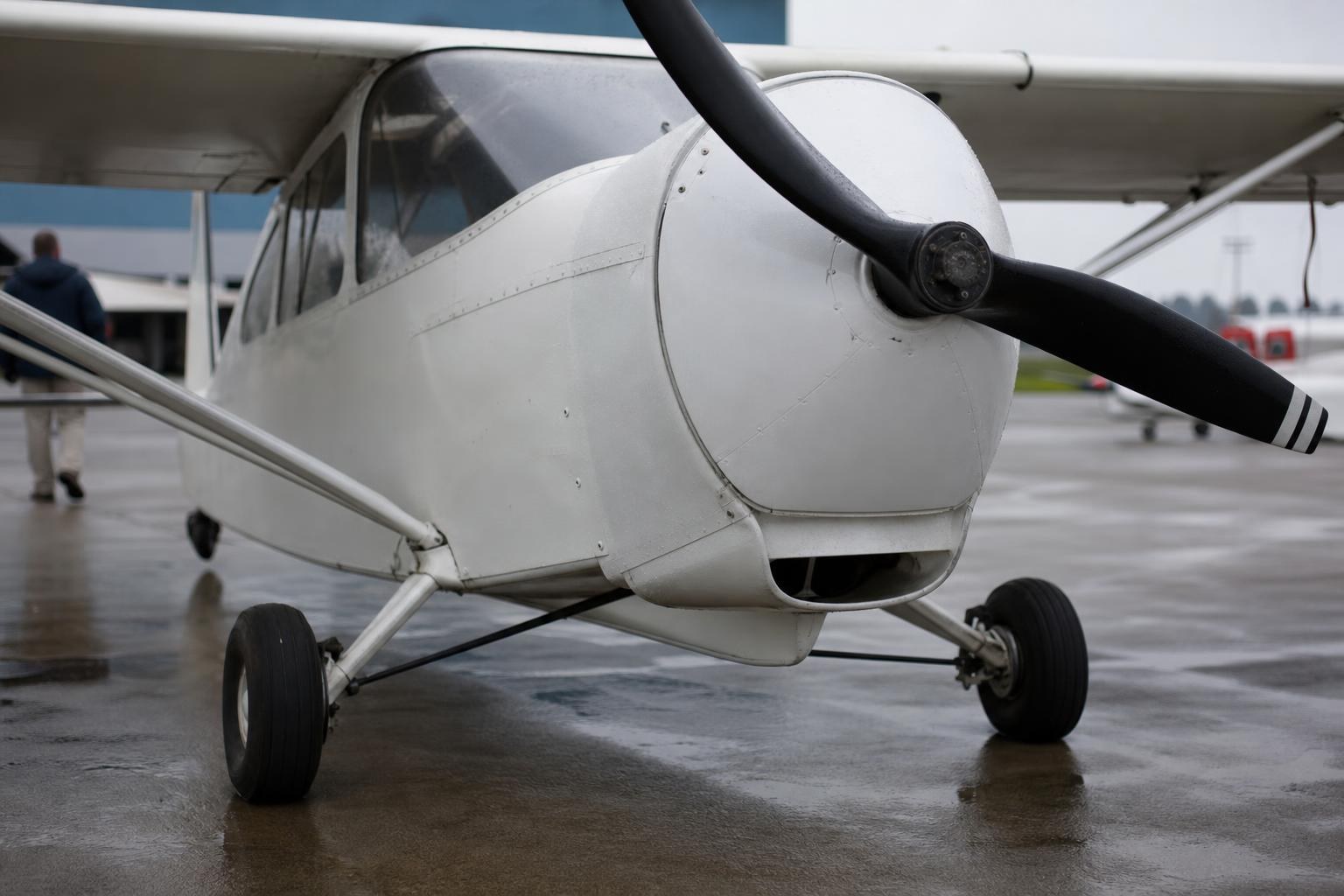
During the 2.5-hour flight, the pilot noticed uneven fuel consumption between the two tanks and observed that fuel levels were dropping faster than expected. The aircraft's fuel gauges displayed erratic and inaccurate readings, hampering effective fuel monitoring. As the aircraft neared its destination, the engine suddenly lost power, forcing the pilot to make an emergency landing in a nearby field. During the landing roll, the aircraft struck a fence and overturned, sustaining significant damage to the fuselage and tail section.
Post-accident examination found fuel-soaked insulation in the lower cabin area and visible fuel staining beneath the left fuel valve. Both fuel tanks were empty. When investigators introduced fuel into the left fuel line, the left fuel valve was observed leaking around the valve shaft, confirming a mechanical failure. The NTSB's August 2024 report identified the failure of the left fuel valve, resulting in fuel exhaustion and loss of engine power, as the probable cause of the accident.
Industry impact & what to watch
This case belongs to a familiar category of piston-engine accidents where a slow, undetected fuel leak combines with an unreliable fuel gauge to remove the safety margin a pilot believes exists. The pilot in this flight noticed uneven consumption and irregular readings but had no way to confirm whether the gauges or an actual leak explained the discrepancy until fuel exhaustion occurred.
Fuel system integrity on smaller aircraft depends heavily on component-level checks of valves, seals and gauge accuracy during routine maintenance, since these aircraft often lack the redundant fuel-quantity indication found on larger platforms. A worn valve shaft seal can leak gradually enough to escape casual inspection while still draining a tank over a multi-hour flight.
The NTSB's finding gives operators and maintainers a specific failure point to check going forward: the left fuel valve's shaft seal. Whether this prompts any broader inspection guidance for the Luscombe 8 fleet depends on what, if anything, the manufacturer or type clubs communicate to owners next.
Who this affects
- Maintenance Repair and Overhaul (MRO) — Maintenance providers servicing legacy piston aircraft gain a documented failure point to check on fuel valve shaft seals.
- Standards & Certification Bodies — Safety and standards organizations may cite the finding as a fuel-monitoring case study for piston aircraft operators.
The underlying facts come from the originating publisher (linked above). The narrative, industry-impact assessment and per-role analysis below are produced independently by the AVI-GO intelligence team from public information. Cite as: AVI-GO, "NTSB: Faulty Left Fuel Valve Caused Luscombe 8 Crash Near Bend, Oregon" news brief, 2026-08-24.
How to cite
AVI-GO, “NTSB: Faulty Left Fuel Valve Caused Luscombe 8 Crash Near Bend, Oregon”. https://ai.avi-go.com/news/ai-news-center/news-briefs/ntsb-faulty-left-fuel-valve-caused-luscombe-8-crash-near-bend-oregon-587e38dad4b66fc84d3b76fd56470ef6
Figures carry an explicit measurement window — cite the window shown on this page, not the date you retrieved it.