MOSAIC Phase 2 Creates Two-Tier Pricing Gap Between Legacy and New-Build Light Sport Aircraft
MOSAIC Phase 2 took effect July 24, letting sport pilots fly legacy aircraft like the Cessna 172 or new-build models such as Tecnam's MOSAIK59, with prices spanning roughly $12,000 to $599,000.
Original report
www.flyingmag.com
Industry impact
Splitting eligibility between legacy fleets and purpose-built aircraft creates two separate financing and resale markets that lenders and buyers must price differently for years.
What happened
MOSAIC Phase 2 took effect July 24, replacing the old 1,320-pound weight cap for light sport aircraft with a clean stall speed (VS1) threshold of 59 knots calibrated airspeed. The change opens eligibility to an estimated 70 percent of the current general aviation fleet, allowing legacy aircraft such as the Cessna 172, Cessna 182, and Piper Cherokee/Archer family to qualify for sport pilot operations without converting to Special LSA status, while retaining their standard airworthiness certificates.
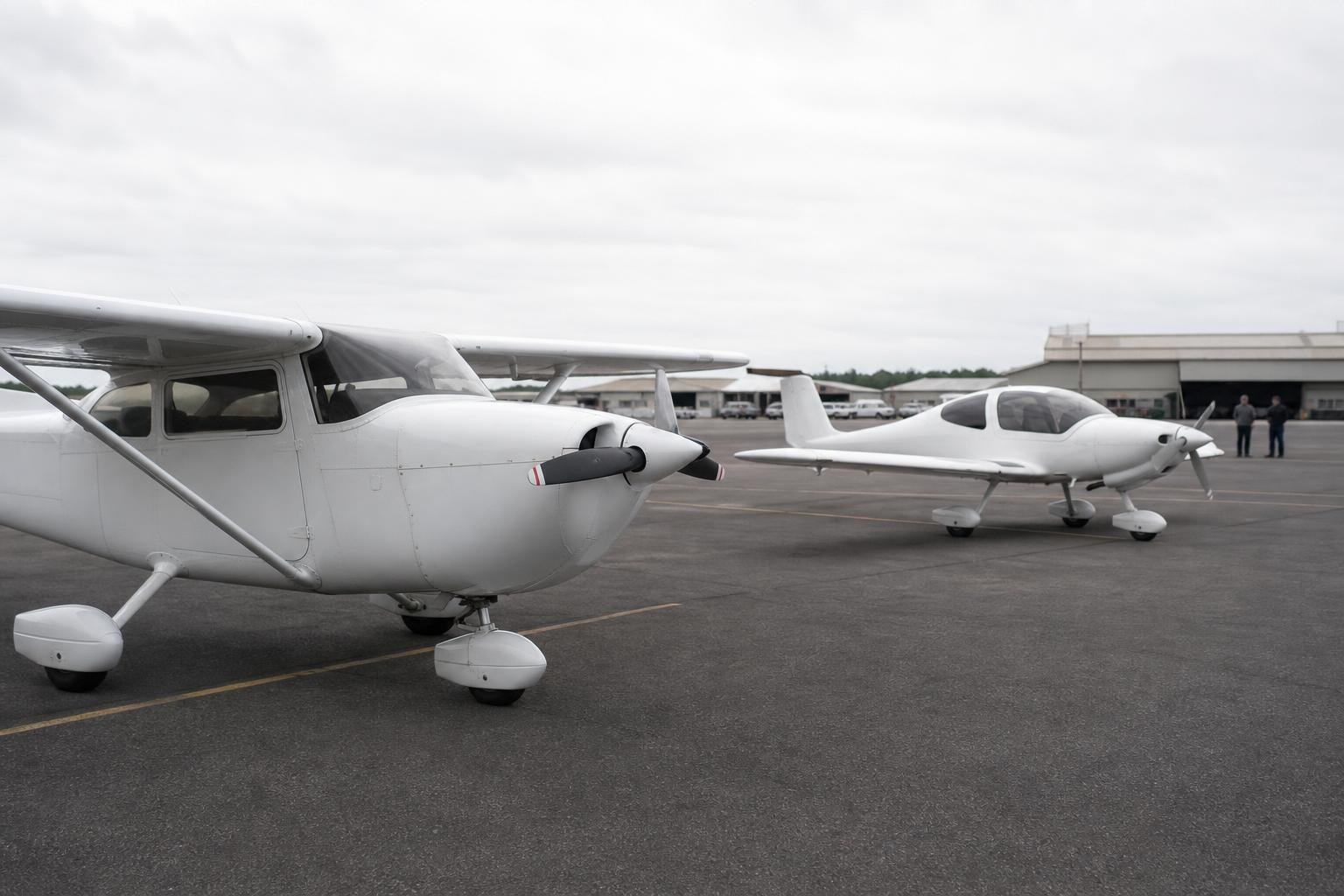
Used Cessna 172 asking prices range from roughly $12,000 to $599,000, with a median around $129,500. A second path involves purpose-built MOSAIC aircraft engineered around the 59-knot stall standard: Tecnam's MOSAIK59 family is booked into 2027 production slots, with buyers required to place a fully refundable $10,000 deposit to reserve Q1/Q2 2027 delivery positions. Bristell's RG line is listed across dealer inventory from approximately $100,000 to $320,000 depending on engine and equipment configuration, with the fully MOSAIC-configured Bristell B23M — featuring a 1,653-pound MTOW, standard BRS parachute, and Garmin G3X Touch avionics — at the top of that range.
Legacy airframes such as the Cessna 172 and Cherokee are established asset classes for lenders, with underwriting driven by airframe age, engine time since overhaul, and damage history.
Industry impact & what to watch
The rule change grants pilots two structurally different ways into the same expanded sport pilot privileges, and the price gap between them runs into six figures. That split carries straight through to financing: legacy Cessna and Piper airframes sit inside a deep, liquid used-aircraft market with decades of loss-history data, while new-production Tecnam and Bristell aircraft represent underwriting exercises lenders have only begun to build.
List prices for new-build MOSAIC aircraft have not softened because the rule granted manufacturers legal authority to deliver these configurations without lowering the underlying production costs of retractable gear, constant-speed propellers, and glass cockpits. With demand outpacing near-term supply and Tecnam's slots already running into 2027, the new-build path stays a seller's market regardless of how many pilots the rule newly qualifies.
What happens to resale values and loan terms on the new-production side over the next few years, once these aircraft accumulate a genuine ownership and maintenance track record, will determine whether the new-build path narrows toward legacy pricing or stays a separate, higher-cost tier.
Who this affects
- Pilot Training Organizations (PTO) — A wider range of legacy aircraft, including the Cessna 172 and Piper Cherokee, now qualify for sport pilot instruction without special conversion.
- Aircraft Finance & Leasing Companies — New-production Tecnam and Bristell aircraft lack a resale track record, forcing lenders to price financing without established loss-history data.
- Aircraft Trading Companies — Legacy Cessna 172 inventory priced from about $12,000 to $599,000 gains a broader buyer pool under the new sport pilot eligibility rule.
The underlying facts come from the originating publisher (linked above). The narrative, industry-impact assessment and per-role analysis below are produced independently by the AVI-GO intelligence team from public information. Cite as: AVI-GO, "MOSAIC Phase 2 Creates Two-Tier Pricing Gap Between Legacy and New-Build Light Sport Aircraft" news brief, 2026-08-24.
How to cite
AVI-GO, “MOSAIC Phase 2 Creates Two-Tier Pricing Gap Between Legacy and New-Build Light Sport Aircraft”. https://ai.avi-go.com/news/ai-news-center/news-briefs/mosaic-phase-2-creates-two-tier-pricing-gap-between-legacy-and-new-bui-5dbd96133125050d655f4e003a81f159
Figures carry an explicit measurement window — cite the window shown on this page, not the date you retrieved it.