Joby Aviation Leads Archer in FAA Certification Race as Both eVTOL Companies Burn Hundreds of Millions Annually
Joby Aviation leads Archer Aviation toward FAA type certification for eVTOL aircraft after conducting its first FAA-conforming test flight in early March with five electric air taxis now flying.
Original report
www.aol.com
Industry impact
eVTOL certification races hinge on aircraft-level for-credit testing milestones, and completing them first can shift a company's investment narrative from cash-burning development to commercial growth.
What happened
Joby Aviation and Archer Aviation are competing to become the first electric vertical take-off and landing aircraft company to achieve FAA type certification, with Joby currently holding a narrow lead. The decisive milestone for investors to watch is each company completing 100% of aircraft-level "for-credit" testing, a process in which FAA pilots conduct or witness extensive test flights under a Type Inspection Authorization. Companies must first build an FAA-conforming eVTOL and have their own pilots fly it before FAA pilots can conduct TIA testing.
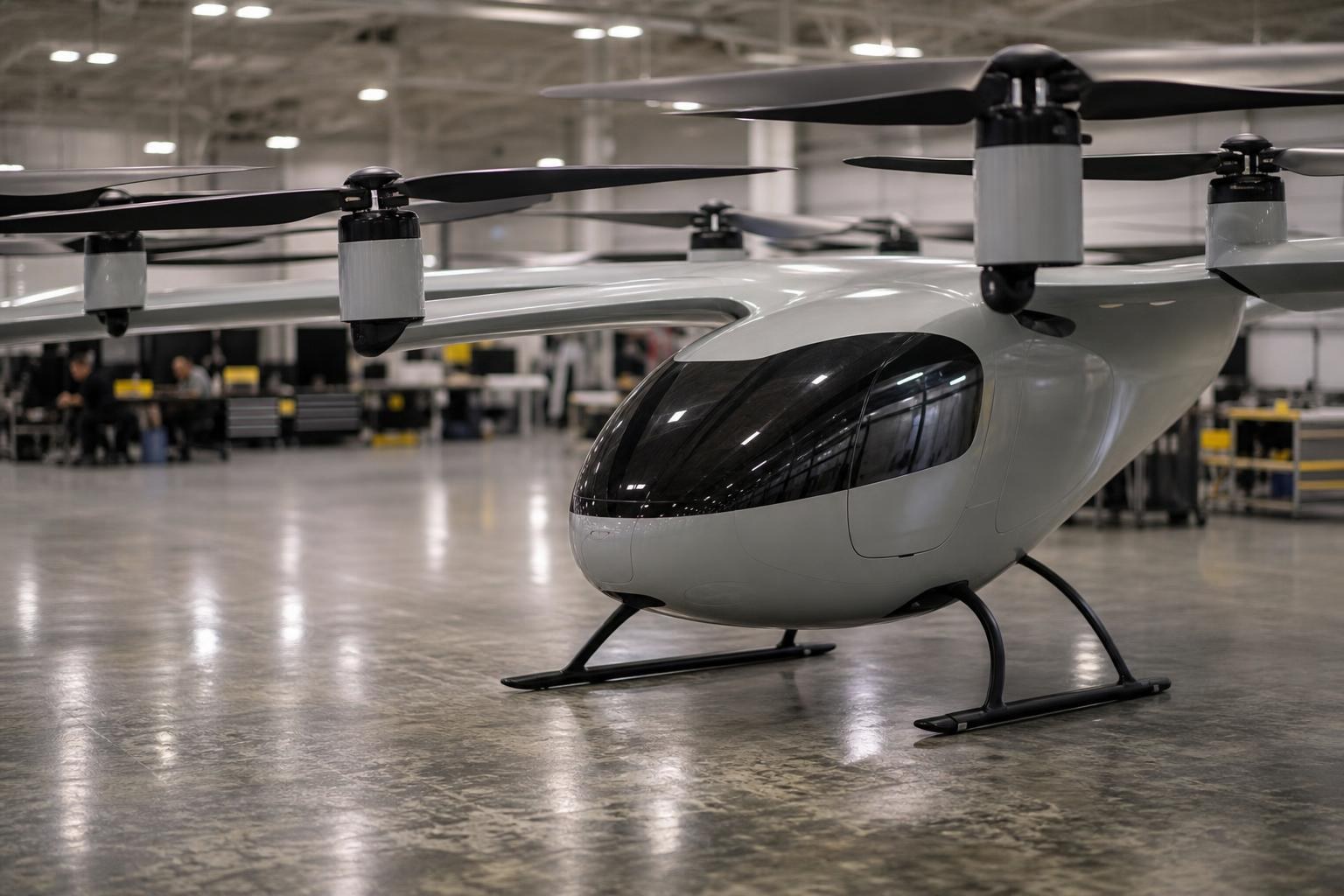
Joby conducted its first FAA-conforming eVTOL flight in early March. CEO JoeBen Bevirt stated on a recent earnings call that the company now has five electric air taxis in the air, including its first FAA-conforming aircraft. Archer has not publicly confirmed that it has produced an FAA-conforming aircraft; CEO Adam Goldstein said the company is "actively working with the FAA on for-credit testing this year," though that statement may refer to component-level rather than aircraft-level testing.
Joby is pursuing a vertically integrated transportation-as-a-service model that builds, owns and operates its aircraft. Archer is primarily positioned as an original equipment manufacturer, though it also has some transportation-as-a-service plans such as airport shuttle services. For Joby, the next milestone is achieving FAA TIA status to begin final credit testing; for Archer, the immediate focus is completing its FAA-conforming eVTOL and conducting initial pilot flights.
Industry impact & what to watch
This case shows how eVTOL certification is being tracked as a sequence of discrete, verifiable steps rather than a single approval date: build a conforming aircraft, fly it with company pilots, then hand it to FAA pilots for for-credit testing. Investors and industry watchers can use that sequence to separate genuine progress from broader claims about "working with the FAA."
The two companies' different business models mean the same certification event carries different financial consequences. An OEM path like Archer's can convert certification into aircraft sales relatively quickly, while a transportation-as-a-service model like Joby's still requires building an operating network before recurring revenue follows, even after certification is secured.
The next concrete markers are Joby reaching FAA TIA status to begin final credit testing and Archer confirming completion of its own FAA-conforming aircraft along with initial pilot flights. Either company crossing the 100% for-credit testing threshold would be the clearest signal that the investment narrative is shifting from development-stage cash burn to commercial-stage growth.
Who this affects
- Original Equipment Manufacturers (OEM) — Progress toward FAA type certification for new eVTOL designs is now measurable by whether a company has flown an FAA-conforming aircraft and reached Type Inspection Authorization status.
- Aircraft Finance & Leasing Companies — Financing assessments of eVTOL manufacturers are expected to shift once aircraft-level for-credit testing is completed and certification moves from development risk toward growth-stage economics.
The underlying facts come from the originating publisher (linked above). The narrative, industry-impact assessment and per-role analysis below are produced independently by the AVI-GO intelligence team from public information. Cite as: AVI-GO, "Joby Aviation Leads Archer in FAA Certification Race as Both eVTOL Companies Burn Hundreds of Millions Annually" news brief, 2026-08-24.
How to cite
AVI-GO, “Joby Aviation Leads Archer in FAA Certification Race as Both eVTOL Companies Burn Hundreds of Millions Annually”. https://ai.avi-go.com/news/ai-news-center/news-briefs/joby-aviation-leads-archer-in-faa-certification-race-as-both-evtol-com-7c2cccae55fb2253ad88b75b146781cc
Figures carry an explicit measurement window — cite the window shown on this page, not the date you retrieved it.