California SB 661 Passes Assembly Unanimously, Returns to Senate for Concurrence Vote
California's SB 661, which would redirect jet fuel sales tax revenue into the state's Aeronautics Account, passed the Assembly unanimously and returned to the Senate for a concurrence vote.
Original report
www.einpresswire.com
Industry impact
Dedicating a specific tax stream to airport funding signals a shift toward more predictable, recurring state financing for regional aviation infrastructure rather than one-off appropriations.
What happened
Senator Melissa Hurtado's SB 661 passed the California State Assembly with unanimous support and has been returned to the Senate following Assembly amendments, according to an announcement dated August 20, 2026. The bill must next be heard by the Senate Transportation Committee before it can proceed to a concurrence vote on the Senate Floor.
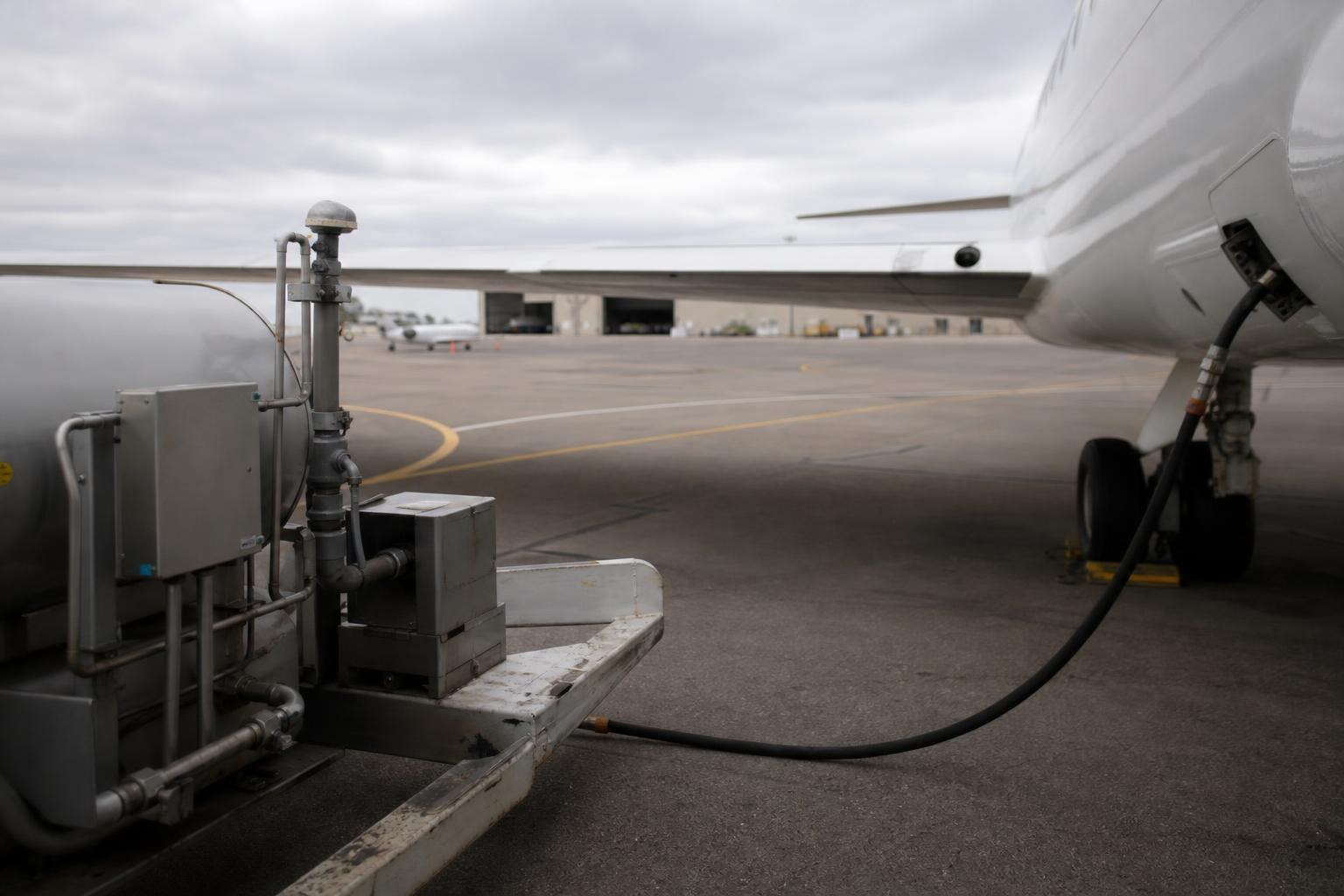
SB 661 would direct a portion of state sales and use tax revenue generated from jet fuel into California's Aeronautics Account, creating a funding stream for airport infrastructure, air service development, workforce programs, and other aviation needs statewide. The Assembly amendments were intended to bring stakeholders into alignment while preserving the bill's core goal of reinvesting aviation revenue into the state's airport system.
Senator Hurtado represents the 16th Senate District, covering portions of Fresno, Tulare, Kings, and Kern Counties, and chairs the Senate Budget Subcommittee on State Administration and General Government. The bill's advancement follows renewed activity in the Central Valley: Meadows Field Airport in Bakersfield recently launched new daily nonstop service to Los Angeles International Airport, and earlier this year Senator Hurtado announced a $1 million state investment for infrastructure improvements at Meadows Field.
Industry impact & what to watch
Tying airport funding to a dedicated tax source rather than annual budget allocations is a structural change in how state aviation infrastructure gets paid for, giving airports a more predictable planning horizon if the mechanism holds up through the legislative process. Regional and general aviation airports, which often compete for limited discretionary grants, stand to gain the most from a standing account funded by jet fuel tax revenue rather than one-time appropriations.
How this actually plays out for individual airports depends on how the Aeronautics Account allocates funds once the revenue stream is established, since the bill as described sets up the funding mechanism without detailing distribution formulas among airport infrastructure, air service development, and workforce programs. The Bakersfield example shows the kind of project this financing model is meant to support: new route service paired with direct infrastructure investment.
The next concrete step is the Senate Transportation Committee hearing, followed by the concurrence vote on the Senate Floor. Whether the bill retains its core funding mechanism through that process, and how funds are eventually apportioned among competing airport needs, will determine whether this becomes a meaningful new revenue channel for California's regional airport system.
Who this affects
- General Aviation Airports — A dedicated jet fuel tax fund could give regional airfields steadier access to infrastructure and air service development money.
- Fuel Suppliers — Jet fuel sales tax collected in California would be earmarked for airport reinvestment instead of general revenue.
- Aviation Associations — Advocacy groups tracking California airport funding now have a Senate committee hearing and concurrence vote to watch.
The underlying facts come from the originating publisher (linked above). The narrative, industry-impact assessment and per-role analysis below are produced independently by the AVI-GO intelligence team from public information. Cite as: AVI-GO, "California SB 661 Passes Assembly Unanimously, Returns to Senate for Concurrence Vote" news brief, 2026-08-24.
How to cite
AVI-GO, “California SB 661 Passes Assembly Unanimously, Returns to Senate for Concurrence Vote”. https://ai.avi-go.com/news/ai-news-center/news-briefs/california-sb-661-passes-assembly-unanimously-returns-to-senate-for-co-78df72f1c4a9d397d4e1824e6a578467
Figures carry an explicit measurement window — cite the window shown on this page, not the date you retrieved it.