UAE Bans Sudanese Airlines from Dubai and Sharjah as Diplomatic Rift Widens
The UAE barred Sudanese carriers Badr Airlines and Tarco Aviation from Dubai and Sharjah, grounded a Sudanese airliner in Abu Dhabi, and stranded hundreds of passengers amid a diplomatic rift.
Original report
airspaceeconomy.com
Industry impact
When bilateral relations collapse, carriers on the affected corridor lose direct access overnight, forcing rerouting through third-country hubs and adding cost and time with no transition period.
What happened
The United Arab Emirates has barred Sudanese passenger carriers from its airports, cutting direct air links between Port Sudan International Airport and major UAE destinations. UAE civil aviation regulators prohibited Badr Airlines and Tarco Aviation from operating into Dubai (DXB) and Sharjah (SHJ), according to the Sudan Civil Aviation Authority (SCAA). Emirati authorities also grounded a Sudanese airliner at Abu Dhabi International Airport before it could complete its scheduled return flight.
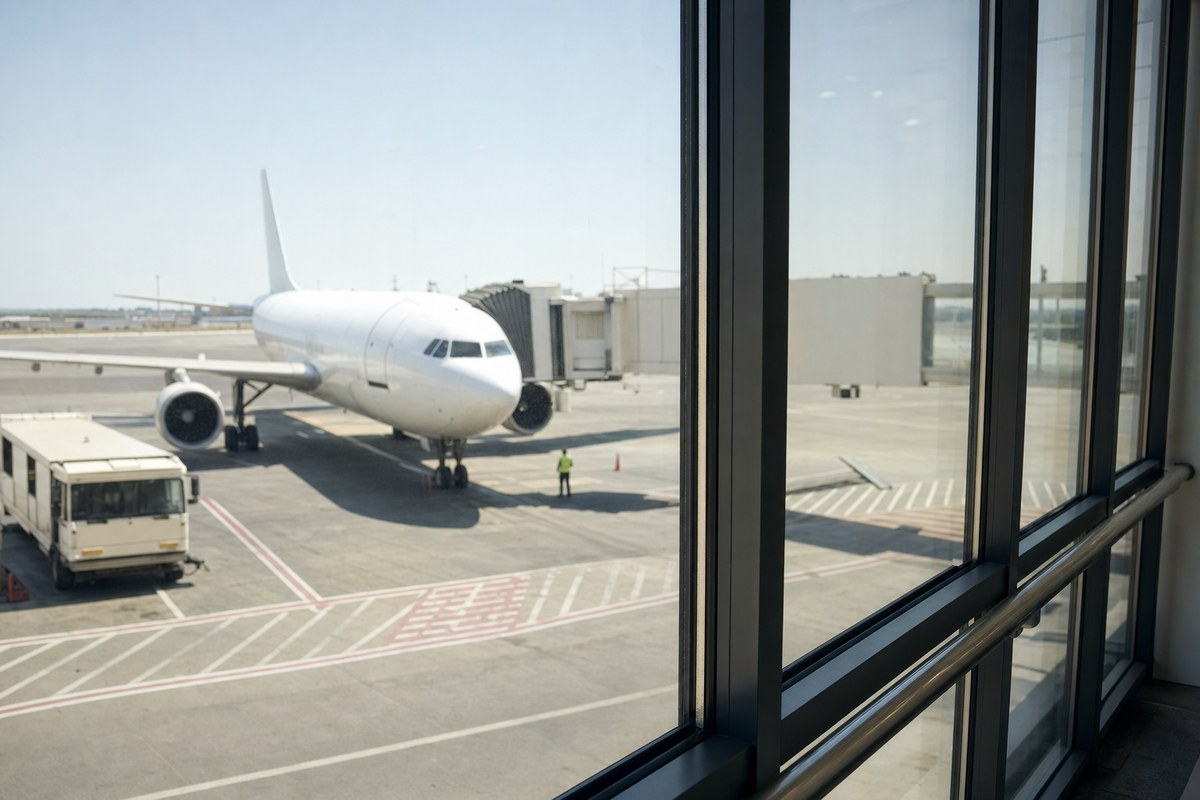
The SCAA said it received no advance notice of the ban. "Sudanese civil aviation authorities were surprised by the decision to prohibit our national carriers from landing and to prevent one flight from departing Abu Dhabi," the authority said in an official statement, adding that it was coordinating with regional regulators to rebook affected passengers. Hundreds of passengers were stranded in departure lounges after boarding was cancelled despite completed departure clearance. Cargo transit lines carrying goods and gold exports between North Africa and the Gulf also faced disruptions, with airlines now required to route passengers through alternative hubs including Cairo, Jeddah, or Addis Ababa.
The ban follows Sudan's decision to sever formal diplomatic ties with the UAE, which Khartoum accused of foreign interference in its ongoing civil conflict. Under the Chicago Convention of 1944, sovereign states hold absolute authority over their airspace and may revoke landing rights for foreign carriers.
Industry impact & what to watch
This is a case of bilateral airspace access being withdrawn as a direct extension of a diplomatic breakdown, with no regulatory transition period built in. Landing rights between two states rest on bilateral agreements underpinned by the Chicago Convention, so when one government severs ties, the other can suspend those rights immediately, leaving carriers and passengers to absorb the disruption on short notice.
The Sudan-Gulf corridor illustrates how quickly a route network can be redrawn: passengers and cargo, including gold exports, must now shift onto indirect paths through Cairo, Jeddah, or Addis Ababa, adding time, connection risk, and cost to journeys that previously ran direct.
What happens next depends on whether diplomatic channels reopen and whether the UAE or Sudan issue any formal notice on the duration or conditions of the ban. Until either government signals a change, the rerouting through third-country hubs is likely to persist.
Who this affects
- Business Charter Operators — Direct routings between Port Sudan and Dubai or Sharjah are no longer available, forcing replanned trips through Cairo, Jeddah, or Addis Ababa.
- Charter Brokers — Clients booking trips linked to Port Sudan, Dubai, or Sharjah must be told direct routing is gone and an alternate hub will add time and cost.
- Commercial Airports — Dubai and Sharjah lose Sudanese carrier traffic while Cairo, Jeddah, and Addis Ababa pick up the rerouted flows.
- Air Freight Forwarders — Cargo and gold export shipments between North Africa and the Gulf must be rerouted through alternative hubs after direct transit lines were disrupted.
The underlying facts come from the originating publisher (linked above). The narrative, industry-impact assessment and per-role analysis below are produced independently by the AVI-GO intelligence team from public information. Cite as: AVI-GO, "UAE Bans Sudanese Airlines from Dubai and Sharjah as Diplomatic Rift Widens" news brief, 2026-08-24.
How to cite
AVI-GO, “UAE Bans Sudanese Airlines from Dubai and Sharjah as Diplomatic Rift Widens”. https://ai.avi-go.com/news/ai-news-center/news-briefs/uae-bans-sudanese-airlines-from-dubai-and-sharjah-as-diplomatic-rift-w-ab179e01bf14cf2007910081d2180400
Figures carry an explicit measurement window — cite the window shown on this page, not the date you retrieved it.