UAE Airlines Face Targeted Cancellations, Rerouting and Delays Amid Ongoing Gulf Tensions
Emirates, Etihad, Air Arabia and flydubai are rerouting flights and suspending select services as elevated Gulf airspace risk over Iran, Iraq, Lebanon and the Gulf of Oman persists into August.
Original report
www.thetraveler.org
Industry impact
Prolonged airspace-avoidance patterns show Gulf carriers now managing risk through continuous rerouting and staged frequency adjustments instead of relying on fixed closures to define their schedules.
What happened
[Emirates](/entities/653c7c3216f05f67aa6912e3bd9d0268), [Etihad Airways](/entities/0f7894c2662d5a1e91f833b97fb60589), [Air Arabia](/entities/d4d20595611451b999d6e5def9dde58c) and [flydubai](/entities/4881fd5c466a57f8a39a1adf02a2a4d5) are adjusting schedules, rerouting flights and suspending select services as renewed Middle East tensions, airspace warnings and sporadic missile and drone activity continue across the Gulf. Dubai, Abu Dhabi and Sharjah airports remain open and operational, but aviation risk assessments covering Iran, Iraq, Lebanon and parts of the Gulf of Oman continue to rate those corridors at high or medium risk.
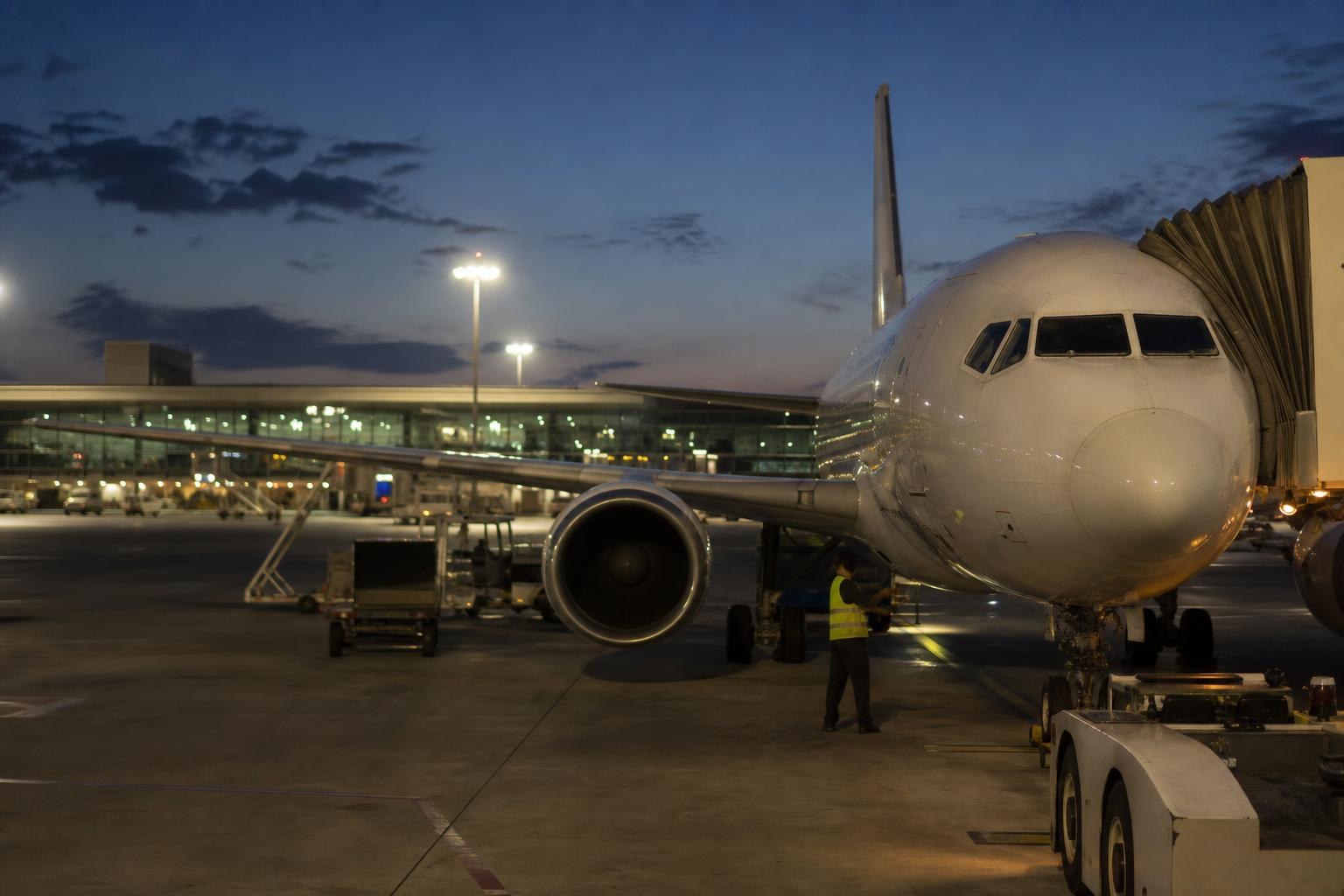
Emirates, which serves more than 130 destinations, has pushed some services onto longer, more northerly routings to avoid high-risk airspace, with flights from Dubai at times held on the ground or rescheduled due to airspace capacity constraints. The airline earlier paused or adjusted frequencies into Kuwait and Bahrain during periods when those hubs restricted operations. Etihad Airways suspended flights to Bahrain and Kuwait at the height of mid-July attacks that damaged facilities and closed surrounding airspace, before confirming staged resumptions with limited daily operations as conditions improved, while also rerouting some long-haul sectors around constrained zones over Iraq and western Iran. Air Arabia and flydubai, whose networks are heavily concentrated in the Gulf, Iraq and the wider Middle East, have made reactive adjustments with limited lead time, including targeted suspensions and modified routings.
UAE regulators confirmed in early May that the country's airspace had technically returned to normal after earlier shutdowns, but subsequent military activity in the Gulf has kept aviation risk levels elevated. Advisories updated into August describe the current environment as one of reactive airspace avoidance and complex detours instead of blanket closures. Passengers flying through UAE hubs are advised to keep contact details updated with their airline, monitor flight status in the 24 hours before departure, allow longer connection windows and remain prepared for rebooking or delays.
Industry impact & what to watch
This is a case of carriers absorbing security risk through continuous operational adjustment instead of a single event forcing one clean decision. When threat corridors shift week to week, airlines cannot simply close a route and wait; they must keep re-evaluating airspace access, adding flight time on longer routings, and staging frequency restarts as individual hubs like Bahrain and Kuwait reopen at different paces.
For Gulf-based carriers whose networks sit close to Iran, Iraq and Lebanon, this kind of volatility shows how quickly a schedule can move from full operation to suspension and back, often with limited lead time. Longer routings raise flight times and crew and fuel planning burdens even when no single flight is cancelled, and staged resumptions mean capacity into affected markets returns gradually instead of all at once.
What happens next depends on how the security picture in the Gulf of Oman and around Iran and Iraq develops, and whether risk assessments are downgraded or escalate further. Any new strike or diplomatic shift could reverse the staged resumptions [Etihad](/entities/b6247b3b04165b2ea5b4232699aa67b5) has already begun, so the coming weeks hinge on whether advisories keep describing avoidance and detours or return to talk of closures.
Who this affects
- Business Charter Operators — Flight planning through Iran, Iraq, Lebanon and the Gulf of Oman corridors now requires case-by-case routing decisions tied to shifting risk advisories.
- Charter Brokers — Clients booked through UAE hubs or nearby Gulf airspace face a real chance of rerouting or delay tied to fast-moving security advisories.
- Commercial Airports — Airports across the Gulf continue managing held and rescheduled flights as carriers reroute away from high-risk corridors.
- Aviation Associations — Industry bodies face a stretch of sustained schedule unpredictability across Gulf carriers as security assessments keep shifting.
The underlying facts come from the originating publisher (linked above). The narrative, industry-impact assessment and per-role analysis below are produced independently by the AVI-GO intelligence team from public information. Cite as: AVI-GO, "UAE Airlines Face Targeted Cancellations, Rerouting and Delays Amid Ongoing Gulf Tensions" news brief, 2026-08-24.
How to cite
AVI-GO, “UAE Airlines Face Targeted Cancellations, Rerouting and Delays Amid Ongoing Gulf Tensions”. https://ai.avi-go.com/news/ai-news-center/news-briefs/uae-airlines-face-targeted-cancellations-rerouting-and-delays-amid-ong-fd9c197a8410acefbba19eaa6f75c8a7
Figures carry an explicit measurement window — cite the window shown on this page, not the date you retrieved it.