Typhoon Narra triggers flooding in China's Guangxi, forcing 54,000 to evacuate
Typhoon Narra dumped torrential rain on China's Guangxi region, forcing about 54,000 people to relocate, including 8,087 moved to emergency shelters, state broadcaster CCTV said.
Original report
www.thestar.com.my
Industry impact
Prolonged typhoon activity over the Beibu Gulf disrupts regional air and space operations, illustrating how weather delays can cascade from ground transport into scheduled launch and flight activity.
Torrential rain brought by Typhoon Narra caused widespread flooding across China's southwestern Guangxi region over the weekend, forcing about 54,000 people to relocate, including 8,087 moved to emergency shelters, state broadcaster CCTV said. Water levels at 20 monitoring stations on 15 rivers exceeded warning thresholds, and aerial footage showed floodwaters submerging roads and low-rise buildings in parts of Chongzuo city, with rescuers using rubber boats to evacuate stranded residents.
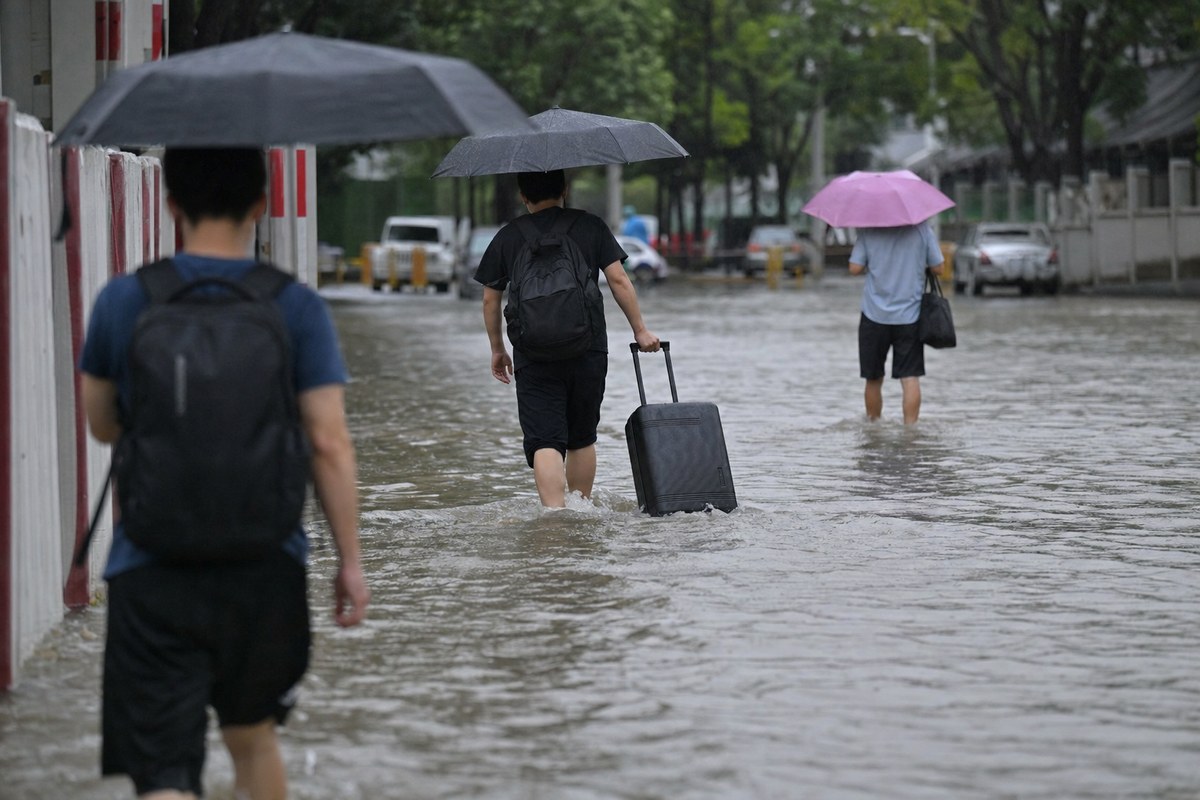
Typhoon Narra lingered over the Beibu Gulf in the northwestern South China Sea for several days, bringing heavy rain to Guangxi and the nearby provinces of Hainan and Guangdong. CCTV said heavy rain is forecast to persist across southern China through Wednesday, with Guangxi, Guangdong, Hainan and Fujian expected to see torrential downpours.
The typhoon also disrupted China's space programme. The launch of the uncrewed Chang'e-7 lunar mission, scheduled as early as Monday from the Wenchang Space Launch Site in Hainan, was postponed after authorities said the spacecraft did not meet launch conditions. The National Astronomical Research Institute of Thailand, which has a scientific payload aboard the mission, said the delay was caused by the typhoon.
The underlying facts come from the originating publisher (linked above). The narrative, industry-impact assessment and per-role analysis below are produced independently by the AVI-GO intelligence team from public information. Cite as: AVI-GO, "Typhoon Narra triggers flooding in China's Guangxi, forcing 54,000 to evacuate" news brief, 2026-08-24.
How to cite
AVI-GO, “Typhoon Narra triggers flooding in China's Guangxi, forcing 54,000 to evacuate”. https://ai.avi-go.com/news/ai-news-center/news-briefs/typhoon-narra-triggers-flooding-in-china-s-guangxi-forcing-54-000-to-e-8da7ba8cd58864f3735cacb14380c6a9
Figures carry an explicit measurement window — cite the window shown on this page, not the date you retrieved it.