Tropical Storm Moke Forms, Threatens Rain-Battered Hawaii With More Heavy Rain and Strong Winds
Tropical Storm Moke formed Friday roughly 595 miles southeast of Hilo with 45 mph winds and is forecast to bring 5 to 10 inches of rain to Hawaii's southeast and windward areas, arriving late Saturday.
Original report
timesofindia.indiatimes.com
Industry impact
Back-to-back storms show how saturated ground and lingering power outages can compound aviation disruption at island airports even when a second system stays below hurricane strength.
What happened
Tropical Storm Moke formed in the Pacific Ocean on Friday and was located approximately 595 miles (960 kilometres) southeast of Hilo, moving west-northwest at 12 mph (19 kph) with maximum sustained winds of around 45 mph (75 kph), according to the National Hurricane Center.
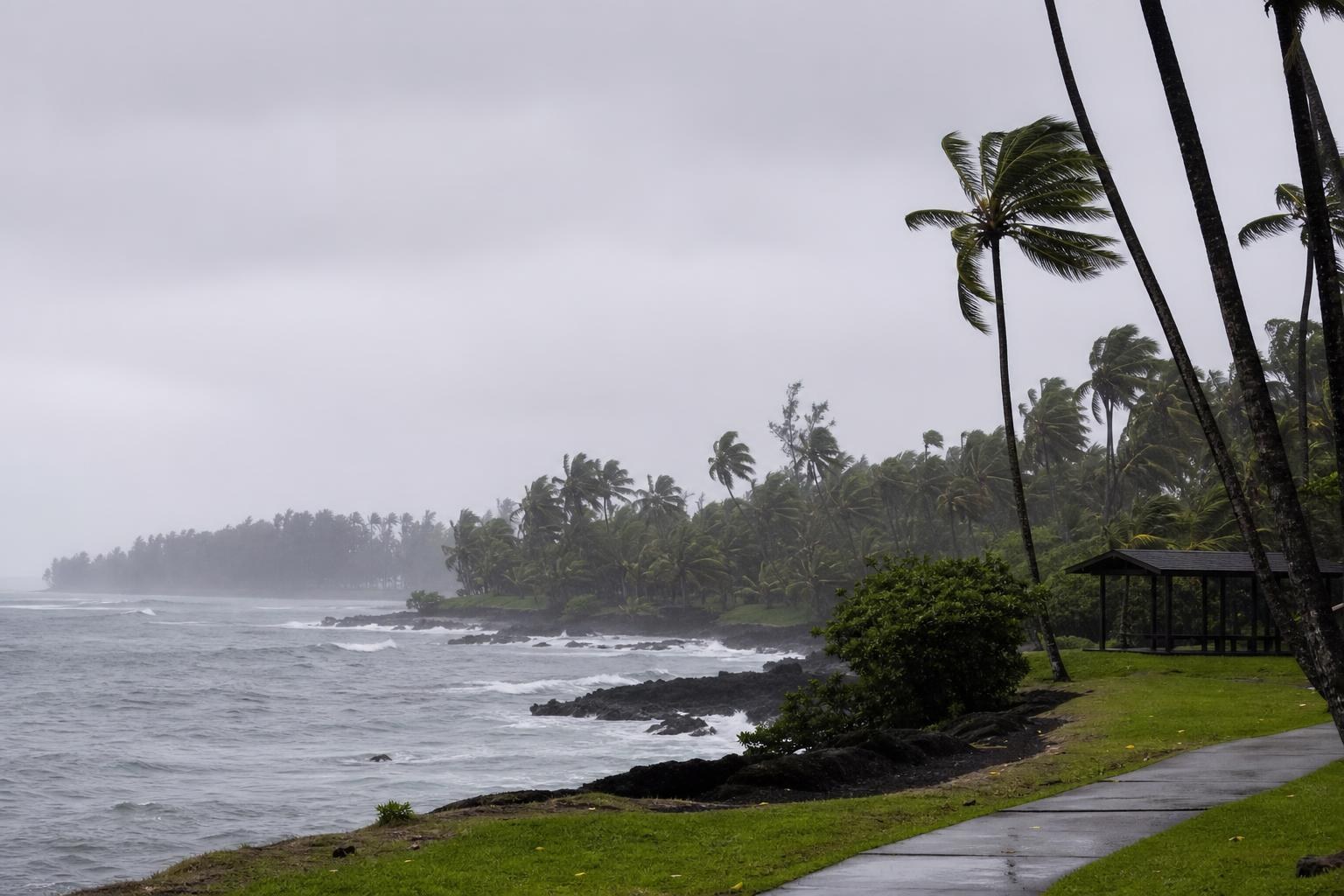
National Weather Service meteorologist Casey Oswant said heavy rain and strong winds from Moke are expected to reach Hawaii late Saturday, with the storm moving west across the islands through early Tuesday. Southeast and windward areas of Hawaii could receive 5 to 10 inches (13-25 centimetres) of rain, with isolated totals reaching 15 inches (38 centimetres). Other parts of the island chain could see 1 to 2 inches, while parts of east Maui could receive up to 4 inches. The National Hurricane Center warned that Moke's rainfall could trigger dangerous rip currents, flooding, and mudslides, particularly in steep areas where the ground remains saturated from Hurricane Lala. No coastal watches or warnings were in effect Friday evening, and residents were urged to monitor the storm closely.
The storm arrives as Hawaii continues dealing with the aftermath of Hurricane Lala, which brought intense rainfall, flooding, and strong winds the previous weekend. More than 43 inches of rain was recorded along the northeast coast of Hawaii, causing flooding that swept homes from their foundations and damaged roads and bridges. As of Friday, around 11,630 customers remained without power, according to poweroutage.us. Hawaiian Electric said it expects to restore power to nearly all affected customers, except in some remote areas and locations with severe damage. Governor Josh Green urged residents to replenish emergency supplies and keep enough food, medicine, and other essentials for up to 14 days as Moke approaches.
Industry impact & what to watch
A second weather system arriving on top of an unresolved recovery is the pattern here: Lala left roads, bridges and power infrastructure damaged, and Moke's rain is forecast to fall on ground the National Hurricane Center itself describes as still saturated, raising the flooding and mudslide risk beyond what either storm would cause alone.
For air operations in the islands, this kind of sequencing matters more than storm category. Moke carries tropical-storm-force winds, not hurricane-force, but heavy rain bands, gusty winds and reduced visibility can still curtail general aviation and rotorcraft movements, and any airfield near the northeast coast or windward slopes faces the same saturated-ground drainage and access problems that followed Lala, independent of Moke's peak intensity.
The near-term markers are the ones already named: whether the National Hurricane Center or Hawaiian Electric issues coastal watches or warnings as Moke tracks closer, whether the 11,630 customers still without power are reconnected before the storm's late-Saturday arrival, and whether rainfall totals in southeast and windward areas reach the 15-inch isolated max the forecast flags.
Who this affects
- General Aviation Airports — Southeast and windward airfields face renewed flooding risk from forecast rain of 5 to 10 inches on ground already saturated by the prior storm.
- Business Charter Operators — Flights into Hawaii's southeast and windward areas face a multi-day window of heavy rain and strong winds starting late Saturday.
- Charter Brokers — Clients booked into Hawaii through early Tuesday face elevated delay risk from the storm layered on top of unresolved Lala damage.
The underlying facts come from the originating publisher (linked above). The narrative, industry-impact assessment and per-role analysis below are produced independently by the AVI-GO intelligence team from public information. Cite as: AVI-GO, "Tropical Storm Moke Forms, Threatens Rain-Battered Hawaii With More Heavy Rain and Strong Winds" news brief, 2026-08-24.
How to cite
AVI-GO, “Tropical Storm Moke Forms, Threatens Rain-Battered Hawaii With More Heavy Rain and Strong Winds”. https://ai.avi-go.com/news/ai-news-center/news-briefs/tropical-storm-moke-forms-threatens-rain-battered-hawaii-with-more-hea-0aa65f9b3527e70ef0ace9b9f5e1a743
Figures carry an explicit measurement window — cite the window shown on this page, not the date you retrieved it.