Survey: 66% of GA Maintenance Professionals Expect Parts Supply to Worsen, Time Cited as Top Pressure
TBX's 2026 General Aviation Parts Survey finds 66% of maintenance professionals expect parts supply to worsen, with 72% dissatisfied with pricing and 59% with lead times.
Original report
www.prnewswire.com
Industry impact
The findings suggest GA maintenance economics increasingly hinge on labor time spent sourcing parts rather than on parts cost itself, as the fleet ages and OEM support thins.
What happened
TBX, the company behind Airworthy.com, released the 2026 General Aviation Parts Survey, led by CEO Jon McLaughlin, finding that 66% of respondents expect the parts supply environment to worsen in the near future. The survey gathered responses from mechanics, shop owners, Directors of Maintenance and other aviation maintenance professionals, examining challenges around sourcing, purchasing and managing aircraft parts.
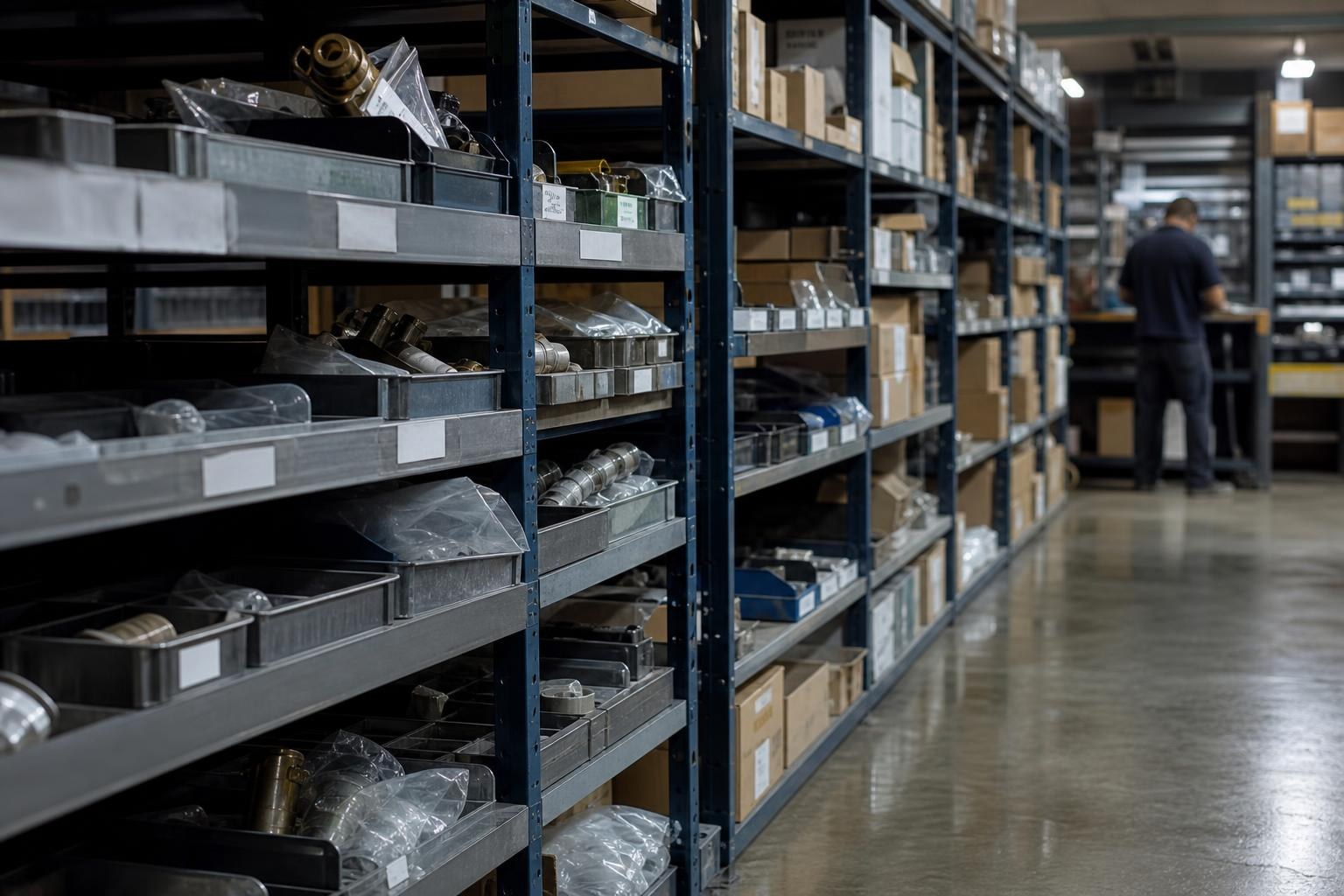
Among the findings, 72% of respondents reported dissatisfaction with parts pricing and 59% reported dissatisfaction with lead times. The survey identified time, not price, as the primary pressure on maintenance operations, with professionals reporting substantial time spent researching part numbers, locating inventory, identifying alternatives and communicating options to aircraft owners. Respondents identified access to illustrated parts catalogs, part numbers and technical data as the single change that would have the greatest positive impact on their operations.
The survey noted that the average certified GA piston aircraft is now 53 years old, and found differences by shop size: smaller operations rely on a broader mix of OEM, PMA, salvage and owner-produced parts, while larger and turbine-focused shops remain more dependent on OEM sources. McLaughlin said maintenance shops are spending too much time searching for parts, finding part numbers, waiting on backorders and sourcing alternatives, and said improving parts availability, expanding access to technical data, and giving maintainers more options will be critical to keeping the aging fleet flying. The survey summary is titled "The Great Parts Squeeze."
Industry impact & what to watch
This survey puts a number on a pressure that shops have described anecdotally for years: an aging piston fleet meeting a shrinking and consolidating parts base. At 53 years average age, many airframes now depend on parts that were never designed for the sourcing environment of a modern supply chain, and the survey's finding that time outweighs price as the binding constraint says something structural about how GA maintenance actually runs — technicians are increasingly acting as parts researchers, not just installers.
The split by shop size matters for how the segment adapts. Smaller shops already lean on PMA, salvage and owner-produced parts to work around OEM bottlenecks, while larger turbine-focused operations stay tied to OEM channels, meaning any easing of pressure will likely arrive unevenly across the market rather than all at once.
What happens to catalog and technical-data access is the detail worth tracking, since respondents named it as the single highest-impact fix available. Whether OEMs, data providers or third parties move to widen that access will determine whether the 66% who expect conditions to worsen turn out to be right.
Who this affects
- Maintenance Repair and Overhaul (MRO) — Heavy shops lose technician time to part-number research and backorders rather than to pricing itself.
- Line Maintenance Services — AOG and line work on older piston aircraft slows as technicians spend more time sourcing parts than fixing them.
- Aviation Manufacturing Supply Chain — Demand for PMA and salvage parts is set to grow as shops diversify away from OEM sourcing.
The underlying facts come from the originating publisher (linked above). The narrative, industry-impact assessment and per-role analysis below are produced independently by the AVI-GO intelligence team from public information. Cite as: AVI-GO, "Survey: 66% of GA Maintenance Professionals Expect Parts Supply to Worsen, Time Cited as Top Pressure" news brief, 2026-08-24.
How to cite
AVI-GO, “Survey: 66% of GA Maintenance Professionals Expect Parts Supply to Worsen, Time Cited as Top Pressure”. https://ai.avi-go.com/news/ai-news-center/news-briefs/survey-66-of-ga-maintenance-professionals-expect-parts-supply-to-worse-c6d82fda88ec44fd40fcaf03d278e423
Figures carry an explicit measurement window — cite the window shown on this page, not the date you retrieved it.