Summer Thunderstorms and FAA Traffic Programs Disrupt US Flight Schedules in Late August
Thunderstorms across Boston, Charlotte, Atlanta, Memphis, Minneapolis-St. Paul and Florida airports triggered FAA ground stops and delay programs disrupting late-August US flights, including a Detroit halt on August 22.
Original report
www.thetraveler.org
Industry impact
Recurring weather-driven ground stops and delay programs across major East Coast and Great Lakes hubs highlight how national airspace constraints, not carrier operations, increasingly drive late-summer schedule disruption.
Summer thunderstorms moving across major US air corridors, combined with FAA traffic management programs, are causing widespread flight delays and ground holds at airports nationwide, disrupting late-August travel. FAA air traffic outlooks show storms affecting operations in Boston, Charlotte, Atlanta, Memphis, Minneapolis-St. Paul, and several Florida airports, with controllers spacing aircraft farther apart and adjusting runway configurations as conditions change.
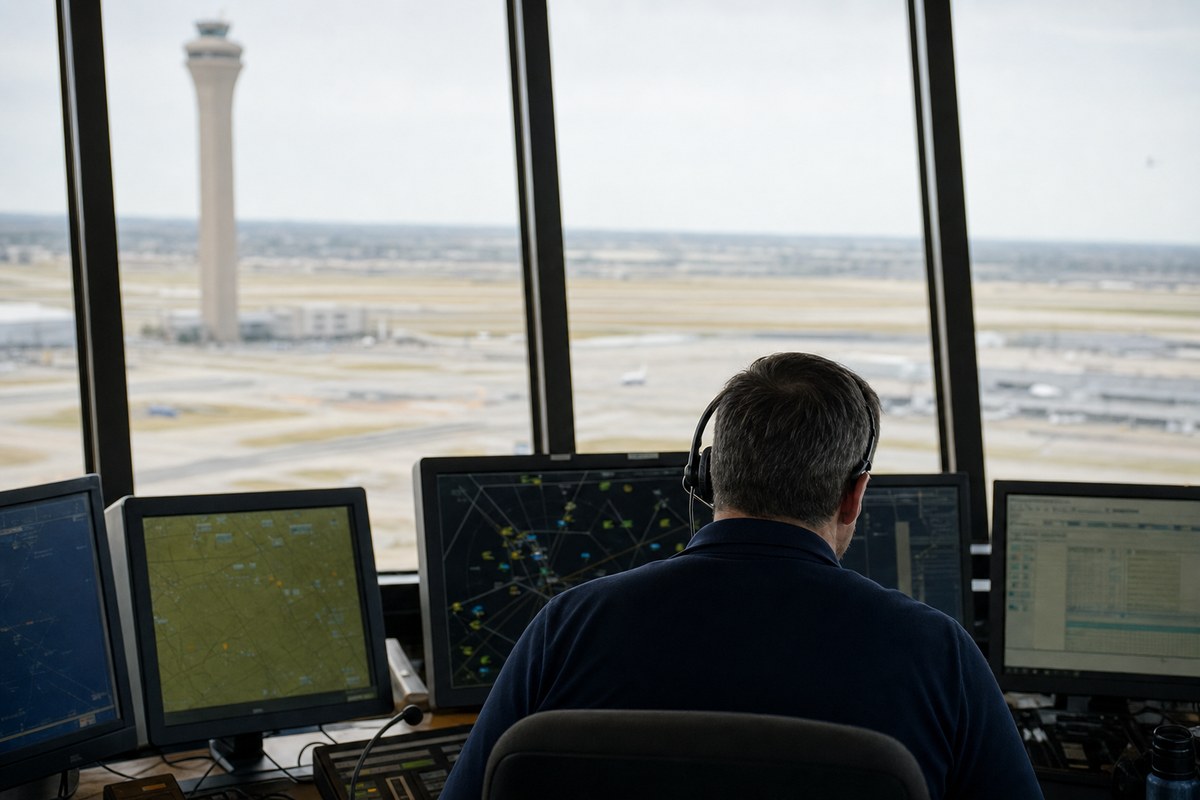
Convective storms in the Great Lakes and Mid-Atlantic have produced intermittent ground stops. On August 22, departures bound for Detroit Metropolitan Wayne County Airport were temporarily halted after thunderstorms moved through southeast Michigan, with operations resuming once the most intense cells cleared, though residual delays persisted as airlines worked through backlogs.
When storms reduce airport capacity, the FAA deploys ground stops, ground delay programs, and airspace flow programs, the latter of which assign controlled departure times based on available arrival slots and can span several hours across the country. In one June scenario, the FAA issued ground stops for Detroit and Dallas-Fort Worth and a flow program into the Jacksonville air route center, with advisories warning of possible further stops for Philadelphia. FAA operations plans and airline communications this month point to repeated storm-triggered ground stops and delay programs at New York's major hubs, Washington D.C., Philadelphia, and Detroit, with some carriers issuing flexible travel waivers on the most active weather days. The US Department of Transportation notes that delays tied to national airspace system constraints often fall outside airlines' direct control, meaning compensation policies may differ from those applied to carrier-controlled disruptions.
The underlying facts come from the originating publisher (linked above). The narrative, industry-impact assessment and per-role analysis below are produced independently by the AVI-GO intelligence team from public information. Cite as: AVI-GO, "Summer Thunderstorms and FAA Traffic Programs Disrupt US Flight Schedules in Late August" news brief, 2026-08-24.
How to cite
AVI-GO, “Summer Thunderstorms and FAA Traffic Programs Disrupt US Flight Schedules in Late August”. https://ai.avi-go.com/news/ai-news-center/news-briefs/summer-thunderstorms-and-faa-traffic-programs-disrupt-us-flight-schedu-82019afac7a5fae08486f1ef9e4a0f6f
Figures carry an explicit measurement window — cite the window shown on this page, not the date you retrieved it.