Rare overnight thunderstorm disrupts operations at Vancouver International Airport
A thunderstorm struck Metro Vancouver on Saturday, August 22, triggering Vancouver International Airport's Red Alert lightning protocol and grounding ground operations for hours, causing delays and cancellations into Sunday.
Original report
www.thetraveler.org
Industry impact
Airports with lightning-halt protocols face cascading delays and gate congestion once a storm suspends ramp work, regardless of how brief the actual weather event was.
What happened
A thunderstorm moved through Metro Vancouver on Saturday, August 22, bringing intense lightning to Vancouver International Airport and triggering a multi-hour suspension of ground operations that caused widespread flight delays and cancellations extending into Sunday.
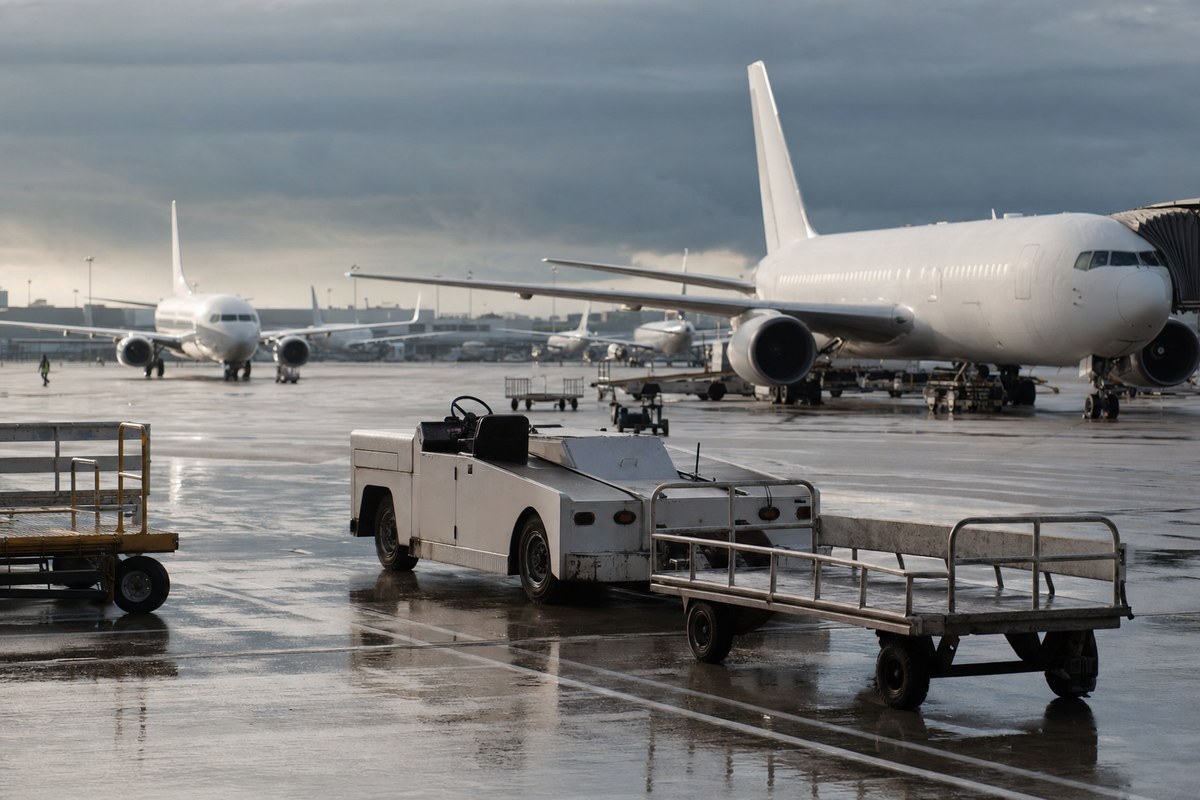
Thunderstorm activity passed through the region from approximately 9 p.m. Saturday through the early hours of Sunday, activating the airport's Red Alert lightning protocol, which requires ground crews to clear the tarmac and halts refuelling, baggage loading and aircraft servicing until a defined lightning-free period elapses. Departures were grounded and arriving aircraft were held away from gates for extended periods. Environment Canada recorded thunderstorms and heavy rain at the airport between 9 p.m. and 10:30 p.m. Saturday, with visibility periodically reduced, and issued severe thunderstorm watches and warnings for Metro Vancouver and adjacent coastal areas citing frequent lightning, heavy downpours and localized wind gusts. The airport sits in Richmond and [Delta](/entities/48e74858ef075d8698ecdb583acc75a6), within the Fraser River delta area covered by those warnings.
Passengers reported on social media that aircraft were parked on taxiways for more than an hour while lightning persisted, with airline staff saying ramp crews could not safely work outdoors until the alert lifted. Travelers described crowded gate areas, long customer service lines and difficulty rebooking after missed connections, and some said they were held onboard for multiple hours after landing while awaiting gates and clearance for ground operations. By Sunday morning the airport authority said it was increasing terminal staffing to assist affected travelers and advised passengers to check flight status with airlines before heading to the airport. Residual delays and isolated cancellations continued into Sunday as airlines worked to reposition crews and aircraft, with flight-tracking boards showing delayed departures and late arrivals across Canadian, U.S. and international destinations through Sunday morning.
How it unfolded
Industry impact & what to watch
Weather-triggered ramp shutdowns are a recurring source of delay at airports where lightning protocols require crews off the tarmac, and the disruption often outlasts the storm itself as aircraft and crews need repositioning. A brief but intense electrical event can therefore generate a full day or more of knock-on delays, since holding aircraft away from gates and suspending fuelling and baggage work backs up an entire schedule even after the lightning clears.
This is how ground-stop protocols function across the industry: the safety rule is binary (lightning present or not), but the recovery is not, because crews, aircraft and gate assignments all have to realign once operations resume. Airlines absorb this by repositioning aircraft and rebooking passengers, while airports add staffing to manage congestion rather than shorten the underlying delay.
What happens next depends on how quickly airlines can realign crew duty times and aircraft rotations disrupted by the Saturday-night stoppage, and whether isolated cancellations continue to clear through Sunday or extend further into the week.
Who this affects
- Commercial Airports — A multi-hour ground stop at Vancouver International Airport left gates congested and required extra terminal staffing into the next day.
- Ground Handling Agents — Ground crews at the airport were barred from tarmac work for hours, then had to clear a backlog of aircraft once the alert ended.
- Business Charter Operators — Charter flights into or out of Vancouver International Airport faced grounded departures and held arrivals, with disruption continuing into the next day.
- Charter Brokers — Clients routed through Vancouver International Airport faced rebooking delays and crowded terminals as disruption carried into the next day.
The underlying facts come from the originating publisher (linked above). The narrative, industry-impact assessment and per-role analysis below are produced independently by the AVI-GO intelligence team from public information. Cite as: AVI-GO, "Rare overnight thunderstorm disrupts operations at Vancouver International Airport" news brief, 2026-08-24.
How to cite
AVI-GO, “Rare overnight thunderstorm disrupts operations at Vancouver International Airport”. https://ai.avi-go.com/news/ai-news-center/news-briefs/rare-overnight-thunderstorm-disrupts-operations-at-vancouver-internati-577c29bed1f86b854b3a6a5ead20b857
Figures carry an explicit measurement window — cite the window shown on this page, not the date you retrieved it.