Norway Air Traffic Controller Strike Closes Oslo Airport Sunday, Waivers Available Through Aug. 24
Norwegian air traffic controllers walked off the job August 21 after wage talks with Avinor collapsed, closing Oslo Gardermoen entirely from 6:30 to 11:30 a.m. on Sunday, August 23.
Original report
www.travelerstoday.com
Industry impact
Labour disputes between controllers and air-navigation providers can shut down major airports outright, forcing carriers to absorb rebooking costs while extraordinary-circumstances rules shield them from cash compensation.
What happened
Norway's air traffic controllers walked off the job Friday, August 21, after wage and working-conditions negotiations with employer Avinor collapsed. The Norwegian Air Traffic Controllers Association (Norsk Flygelederforening, NFF) called out 12 controllers beginning at 6:30 a.m. local time, targeting Oslo Airport Gardermoen, Bergen Airport Flesland, and the Røyken control centre, which manages approach and regional traffic for western Norway.
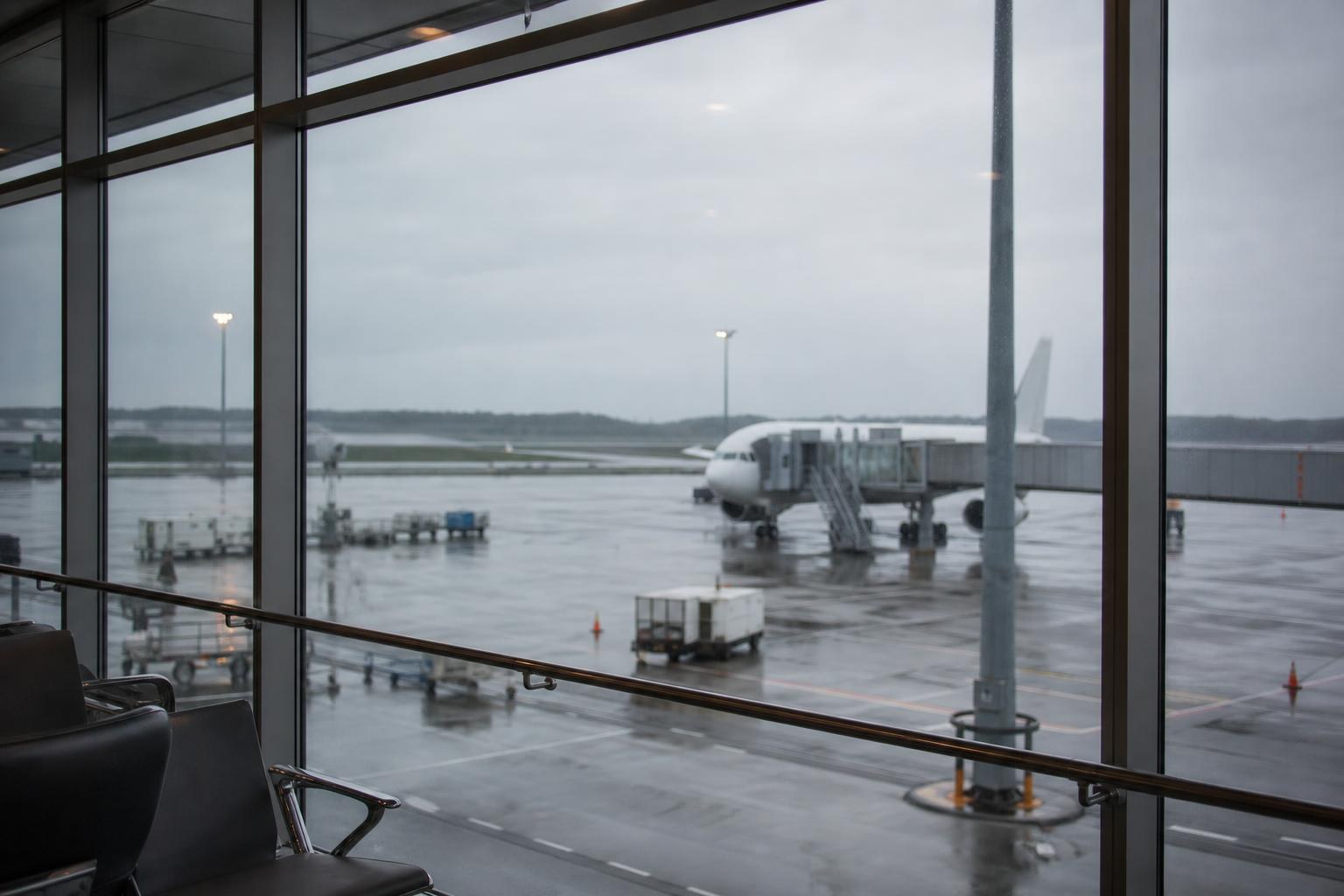
By the end of Friday, at least 31 [Norwegian Air Shuttle](/entities/718368bd62605894ba512913cd580f98) flights and eight SAS flights had been cancelled. FlightAware data showed 154 delays and 11 cancellations at Oslo Gardermoen, and 21 delays and two cancellations at Bergen Flesland, figures covering only a partial day since the walkout officially began at 11:00 a.m. local time. Oslo Gardermoen is scheduled to close completely to commercial traffic from 6:30 to 11:30 a.m. local time on Sunday, August 23, and significant disruptions and airspace restrictions in western Norway are expected Saturday evening, with aftereffects continuing into Monday, August 24.
State mediator Mats Wilhelm Ruland declared negotiations failed at midnight Thursday after seven hours of overtime talks, saying there is currently no basis for resuming mediation. NFF leader Robert Gjønnes said the dispute centers on working conditions, specifically required break times, life-stage policies, and rules governing instructor duties, not only on pay. Employers' association Spekter CEO Anne-Kari Bratten called the strike "incomprehensible," noting that the union had rejected an offer averaging 62,000 [Norwegian](/entities/b5d69c8d1a7b5c08b3b79ee128ecb4ba) kroner in annual salary increases, approximately 4.4 percent.
How it unfolded
Industry impact & what to watch
Labour disputes between controllers and a national air-navigation provider can escalate from partial delays to a full airport closure within days, as the shift from Friday's 154 delays at Oslo Gardermoen to Sunday's five-hour total shutdown shows. Air-navigation strikes fall outside airlines' direct control, so airport-level closures ripple across every carrier using the affected airspace rather than a single operator's schedule.
EU Regulation 261/2004 treats an air traffic control strike as an extraordinary circumstance, which means airlines handle rebooking and care costs but avoid the fixed €250–€600 cash payouts normally owed for cancellations, shifting the financial burden of the disruption largely onto passengers' time rather than airline balance sheets.
The near-term marker to watch is whether NFF and Spekter return to mediation given Ruland's finding that no basis currently exists for it, since that determines whether the disruption ends with Monday's aftereffects or extends beyond August 24.
Who this affects
- Business Charter Operators — Charter flights routed through Oslo Gardermoen or western Norway face a five-hour airspace closure and related restrictions this weekend.
- Charter Brokers — Clients booked through Norwegian airports this weekend need advance warning of the Sunday closure and western Norway restrictions.
- Commercial Airports — Oslo Gardermoen shuts to commercial traffic for five hours on Sunday after a day that already brought over 150 delays.
- Aviation Associations — A rejected 4.4 percent pay offer shows working-condition disputes, not just wages, can trigger a controllers' walkout despite mediation.
The underlying facts come from the originating publisher (linked above). The narrative, industry-impact assessment and per-role analysis below are produced independently by the AVI-GO intelligence team from public information. Cite as: AVI-GO, "Norway Air Traffic Controller Strike Closes Oslo Airport Sunday, Waivers Available Through Aug. 24" news brief, 2026-08-24.
How to cite
AVI-GO, “Norway Air Traffic Controller Strike Closes Oslo Airport Sunday, Waivers Available Through Aug. 24”. https://ai.avi-go.com/news/ai-news-center/news-briefs/norway-air-traffic-controller-strike-closes-oslo-airport-sunday-waiver-3f3975238e64c71a6cc0178abd5854ec
Figures carry an explicit measurement window — cite the window shown on this page, not the date you retrieved it.