Iowa Allocates $10.2 Million for Aviation Safety and Infrastructure in FY2027
The Iowa Transportation Commission approved a $10.2 million State Aviation Program for fiscal year 2027 on August 11, funding safety and infrastructure work at Iowa airports.
Original report
www.aero-news.net
Industry impact
State aviation funding split across separate dedicated revenue streams shows how general aviation infrastructure upgrades depend on fuel taxes and registration fees rather than general budgets.
What happened
The Iowa Transportation Commission approved a $10.2 million State Aviation Program for fiscal year 2027 on August 11. The funding is split between two programs supporting airport safety, infrastructure, and air service improvements across the state.
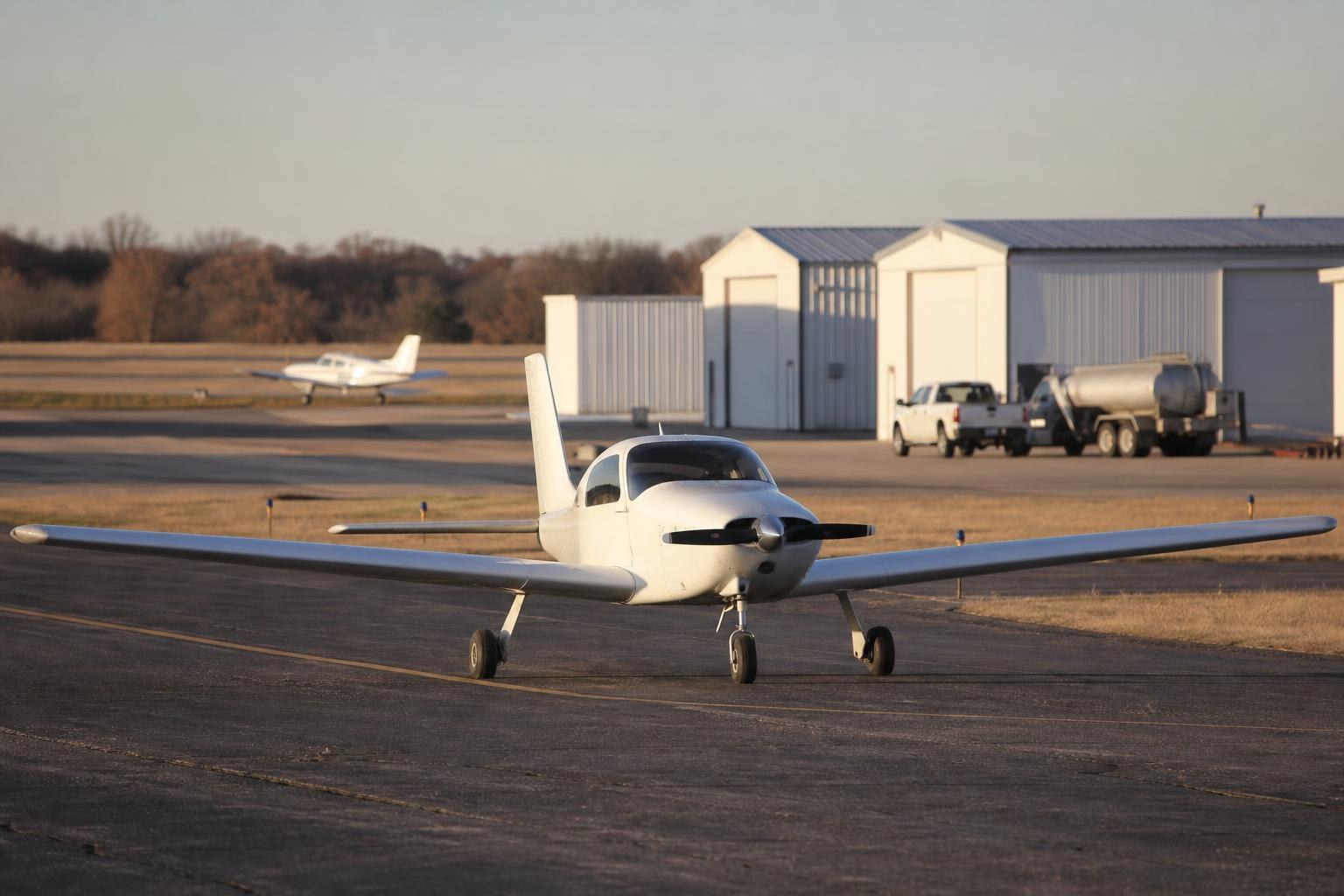
Of the total, $5.9 million will flow through the Airport Improvement Program to support projects at 22 Iowa airports. Eligible uses include runway, taxiway, and apron development, fuel systems, navigational aids, aviation weather systems, runway markings, and windsocks. The program can also fund emergency operational repairs, land use planning, air service initiatives, and mitigation of obstruction and wildlife hazards.
The remaining $4.2 million is directed to vertical infrastructure projects at 11 general aviation airports and eight commercial service airports, covering terminals, maintenance buildings, and aircraft hangars. The two funding streams draw on separate sources: the Airport Improvement Program is supported by Iowa's State Aviation Fund, which comes from aircraft registration fees and aviation fuel taxes, while the vertical infrastructure program receives appropriations from the Rebuild Iowa Infrastructure Fund.
Industry impact & what to watch
State-level aviation funding programs like this one typically operate on a project-by-project allocation model, spreading fixed annual revenue across dozens of airports rather than concentrating it on a few large works. That structure means the pace of runway, taxiway, and hangar upgrades at smaller general aviation fields depends heavily on how much aircraft registration and fuel-tax revenue the state collects each year.
Splitting funding between an operations-focused stream and a capital-infrastructure stream, drawn from different funds, allows a state to keep routine safety work such as navigational aids and wildlife mitigation running even if infrastructure appropriations from a general fund fluctuate. The 22 airports named for Airport Improvement Program support and the 19 named for vertical infrastructure work represent the near-term project list for fiscal year 2027.
Which specific airports receive which projects, and on what timeline within the fiscal year, will determine whether based operators and general aviation traffic see improved runway conditions, fuel availability, or hangar capacity in the near term.
Who this affects
- General Aviation Airports — Runway, fuel-system, and hangar upgrades are coming to general aviation airfields across Iowa in fiscal year 2027.
- Commercial Airports — Eight Iowa commercial service airports are set to receive terminal and maintenance building funding in fiscal year 2027.
- Fuel Suppliers — Fuel system upgrades at 22 Iowa airports are eligible for funding under the state's fiscal year 2027 aviation program.
The underlying facts come from the originating publisher (linked above). The narrative, industry-impact assessment and per-role analysis below are produced independently by the AVI-GO intelligence team from public information. Cite as: AVI-GO, "Iowa Allocates $10.2 Million for Aviation Safety and Infrastructure in FY2027" news brief, 2026-08-24.
How to cite
AVI-GO, “Iowa Allocates $10.2 Million for Aviation Safety and Infrastructure in FY2027”. https://ai.avi-go.com/news/ai-news-center/news-briefs/iowa-allocates-10-2-million-for-aviation-safety-and-infrastructure-in-3c2e27721fbdbdf6ef6f2dae3a39a334
Figures carry an explicit measurement window — cite the window shown on this page, not the date you retrieved it.