Heavy Rain Diverts 15 Delhi-Bound Flights; Air India, IndiGo and SpiceJet Issue Travel Advisories
Heavy rain over Delhi-NCR on Monday diverted 15 Delhi-bound flights, including two international services, with eleven redirected to Jaipur as airlines issued travel advisories.
Original report
m.economictimes.com
Industry impact
Weather-driven diversions concentrated on a single alternate airport show how quickly localized capacity and ground handling can be strained when one hub absorbs another's traffic.
What happened
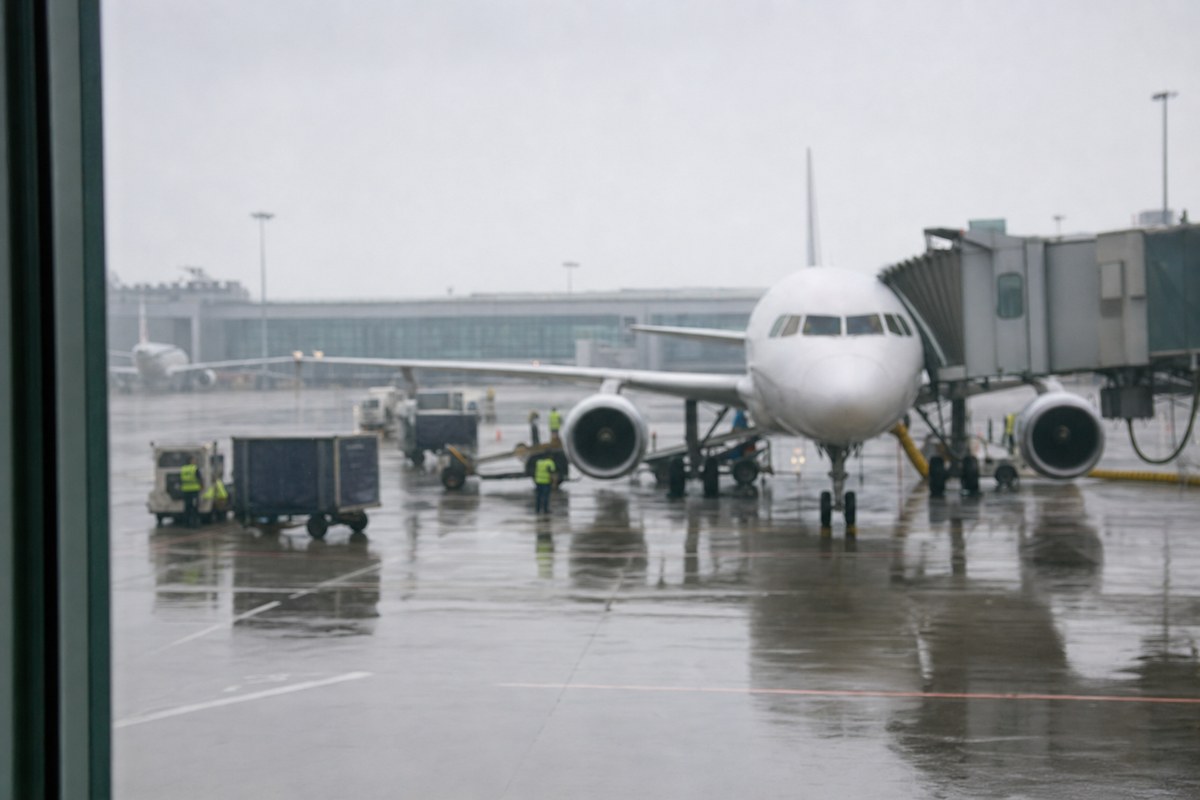
Heavy rain lashed Delhi-NCR on Monday, causing widespread waterlogging and traffic disruptions across the city and forcing the diversion of 15 Delhi-bound flights, including two international services. Eleven of the diverted flights were redirected to Jaipur.
[Air India](/entities/6fd6edb6992d570da52b2274aba01cff), [IndiGo](/entities/7094c6fa60ad5dc69dac6e187d85ce2e) and [SpiceJet](/entities/2d1d476754a95c7297000dfc252441b5) all issued travel advisories warning passengers that adverse weather could impact flight operations to and from Delhi, urging travellers to check their flight status before leaving for the airport. IndiGo also asked passengers to allow extra travel time due to slower road conditions. SpiceJet cautioned that all departures, arrivals and their consequential flights might be affected by the bad weather at Delhi.
The weather office issued red and orange alerts for heavy to moderate rainfall, thunderstorms and winds of up to 40 kmph. Affected areas included South East Delhi, East Delhi, Shahdara, Central Delhi, North East Delhi, South Delhi, New Delhi, South West Delhi, West Delhi, North West Delhi and North Delhi.
Industry impact & what to watch
Weather-driven diversions on this scale are a recurring feature of monsoon season at major Indian hubs, where sudden waterlogging and thunderstorms can ground or redirect multiple flights within hours. Airlines respond with standardized advisories rather than individual passenger outreach, shifting the burden of monitoring flight status onto travellers themselves.
The concentration of eleven diverted flights into Jaipur illustrates how a single nearby airport can absorb a disproportionate share of displaced traffic during a weather event, straining that airport's parking stands, fuel supply and ground handling capacity even though it is not itself affected by the storm. Consequential delays and crew or aircraft repositioning issues at Delhi can persist after the weather clears, since aircraft and crews are now out of position.
What happens next depends on how long the red and orange alerts remain in force and whether Delhi's operations normalize before the diverted aircraft and crews need to be repositioned back. Airlines' own advisories, updated as conditions change, will be the clearest signal of when normal schedules resume.
Who this affects
- Commercial Airports — Diverted traffic concentrated at Jaipur strained handling and parking capacity there while Delhi's own operations were disrupted by red and orange weather alerts.
- Commercial Airlines — Scheduled carriers serving Delhi had to reroute aircraft, manage consequential delays and advise passengers to check flight status before travelling to the airport.
- Ground Handling Agents — Handling teams at Jaipur absorbed a sudden surge of diverted arrivals from Delhi with no advance scheduling.
The underlying facts come from the originating publisher (linked above). The narrative, industry-impact assessment and per-role analysis below are produced independently by the AVI-GO intelligence team from public information. Cite as: AVI-GO, "Heavy Rain Diverts 15 Delhi-Bound Flights; Air India, IndiGo and SpiceJet Issue Travel Advisories" news brief, 2026-08-25.
How to cite
AVI-GO, “Heavy Rain Diverts 15 Delhi-Bound Flights; Air India, IndiGo and SpiceJet Issue Travel Advisories”. https://ai.avi-go.com/news/ai-news-center/news-briefs/heavy-rain-diverts-15-delhi-bound-flights-air-india-indigo-and-spiceje-1f0aed17928679fe05b9bb7477d74ae7
Figures carry an explicit measurement window — cite the window shown on this page, not the date you retrieved it.