Beta Technologies Clears FAA Certification Hurdle for H500A Engine and Alia CX300 Aircraft
Beta Technologies resolved an FAA regulation interpretation issue for its H500A electric cruise engine and completed requirements definition for the Alia CX300 aircraft certification.
Original report
aviationweek.com
Industry impact
Clearing an interpretation dispute shows how much early eVTOL certification timelines hinge on regulators and manufacturers agreeing on how existing rules apply to new propulsion designs.
What happened
Beta Technologies has resolved a regulation interpretation issue with the Federal Aviation Administration, putting its H500A electric cruise engine back on track for certification. The company has also completed requirements definition for certification of its Alia CX300 electric aircraft.
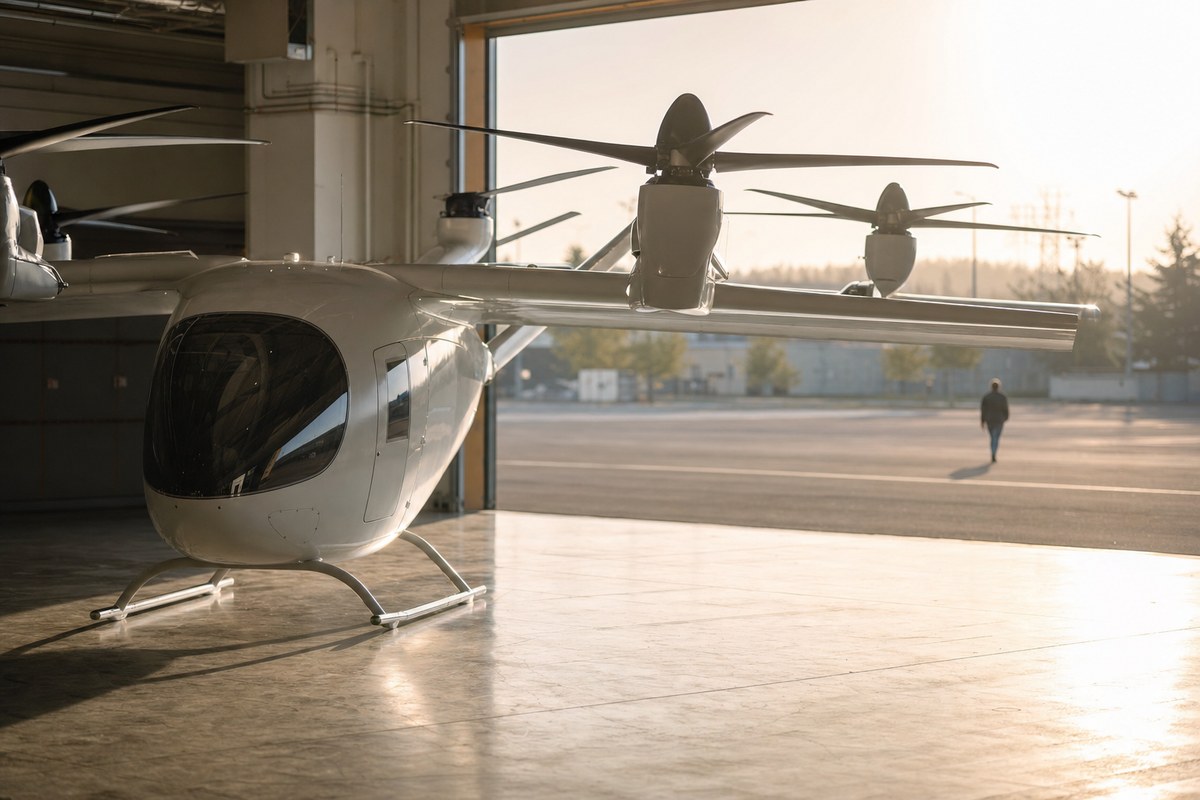
The developments were included in Aviation Week's technology roundup for the week of August 24-28, 2026.
Industry impact & what to watch
Electric aircraft programs depend on the FAA and manufacturers reaching a shared interpretation of how existing airworthiness rules apply to new propulsion architectures, since novel engine designs like the H500A do not always fit cleanly into legacy certification frameworks. Resolving such interpretation questions is often a prerequisite step before formal certification testing can proceed, separate from the underlying engineering work.
Completing requirements definition for the Alia CX300 sets the baseline the FAA will use to evaluate the aircraft going forward, but it does not itself constitute certification. The next indicators to watch are whether the H500A certification basis is finalized and whether the Alia CX300 moves from requirements definition into formal test and compliance demonstration.
Who this affects
- Original Equipment Manufacturers (OEM) — Resolution of an FAA interpretation dispute for an electric cruise engine offers a reference point for other manufacturers navigating similar certification questions.
- Air Traffic Management (ATM) Authorities — Certifying novel electric propulsion systems continues to require case-by-case regulatory interpretation rather than established precedent.
The underlying facts come from the originating publisher (linked above). The narrative, industry-impact assessment and per-role analysis below are produced independently by the AVI-GO intelligence team from public information. Cite as: AVI-GO, "Beta Technologies Clears FAA Certification Hurdle for H500A Engine and Alia CX300 Aircraft" news brief, 2026-08-24.
How to cite
AVI-GO, “Beta Technologies Clears FAA Certification Hurdle for H500A Engine and Alia CX300 Aircraft”. https://ai.avi-go.com/news/ai-news-center/news-briefs/beta-technologies-clears-faa-certification-hurdle-for-h500a-engine-and-31baecf9b667987a320422bb83d56e0e
Figures carry an explicit measurement window — cite the window shown on this page, not the date you retrieved it.